1 / 2
 Sill Bearing
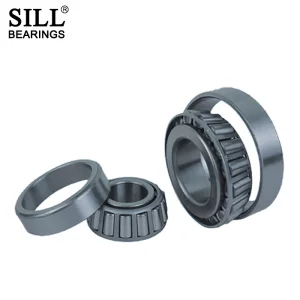
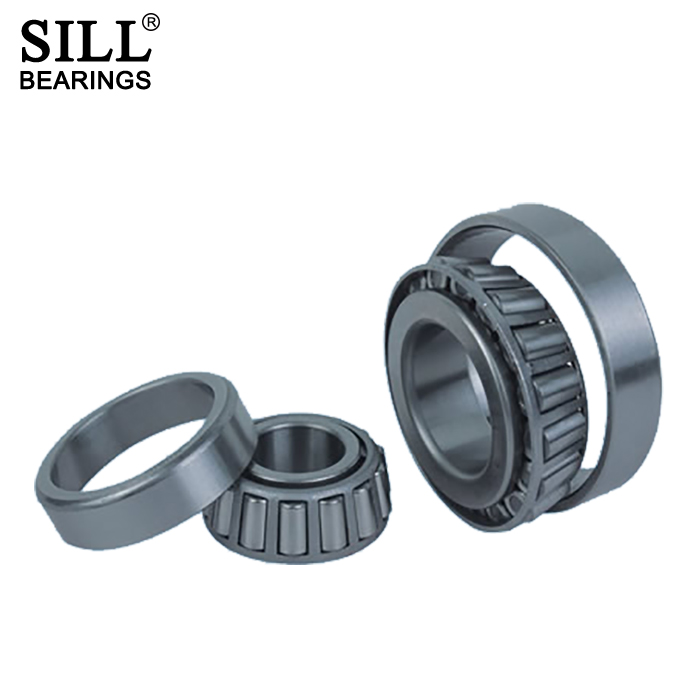
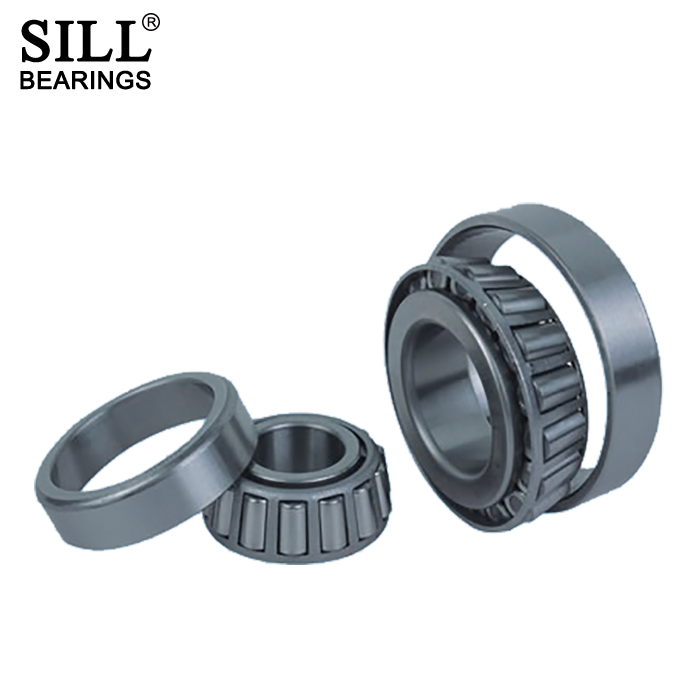
Tapered roller bearings are a critical category of separable rolling element bearings, engineered with tapered raceways on both the inner and outer rings that perfectly match the conical shape of their rollers. This precision-designed geometry is the cornerstone of their superior performance, making them indispensable in numerous industrial and automotive applications where reliability and load-bearing efficiency are non-negotiable.
Classified by the number of roller rows, the primary configurations include single row, double row, and four row tapered roller bearings, each tailored to address specific load and operational requirements across diverse sectors.
They excel at accommodating both radial and axial loads simultaneously, with various contact angles (normal, medium, steep) to prioritize specific load handling needs.
Ensures precise shaft guidance in high-precision applications like machine tool spindles and gearboxes, minimizing shaft deflection under heavy loads.
The independent mounting of inner and outer rings simplifies installation, maintenance, and replacement, significantly reducing operational downtime.
Tapered geometry eliminates sliding friction, reducing heat generation and energy consumption while extending the overall service life of the bearing.
Tapered roller bearings are widely utilized in industries where durability and performance under load are paramount:
The operational principle revolves around their precision conical design. A single-row bearing comprises an outer ring, an inner ring, a set of tapered rollers, and a cage. When a load is applied—radial, axial, or combined—the tapered shape converts the load into internal forces that are evenly distributed across the contact surfaces, ensuring stability and motion efficiency.
In summary, these bearings are engineered for versatility and durability, making them a trusted choice for engineers in automotive, industrial, and heavy-duty sectors.