1 / 2
 Sill Bearing
Automotive wheel bearings are indispensable precision components that serve two core purposes: supporting the entire weight of the vehicle and enabling smooth, low-friction rotation of the wheels. As critical parts of the wheel hub assembly, they bear both axial loads and radial loads, making them foundational to vehicle safety, handling, and overall performance.
Beyond basic rotation, high-quality wheel bearings play a pivotal role in modern driver assistance systems—they integrate seamlessly with anti-lock braking systems, electronic stability programs, and traction control systems, ensuring accurate data transmission for optimal system responsiveness.
For vehicle owners and automotive professionals alike, understanding the types of wheel bearings is essential for proper maintenance, replacement, and performance optimization. Wheel bearings are primarily categorized by their rolling elements and design generations, each tailored to specific vehicle types and usage scenarios.
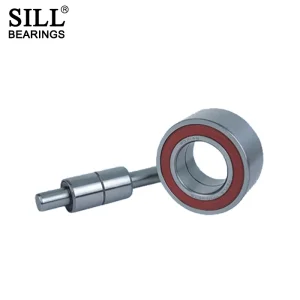
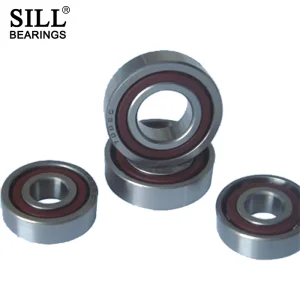
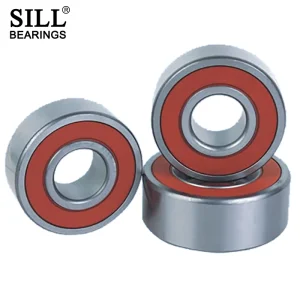
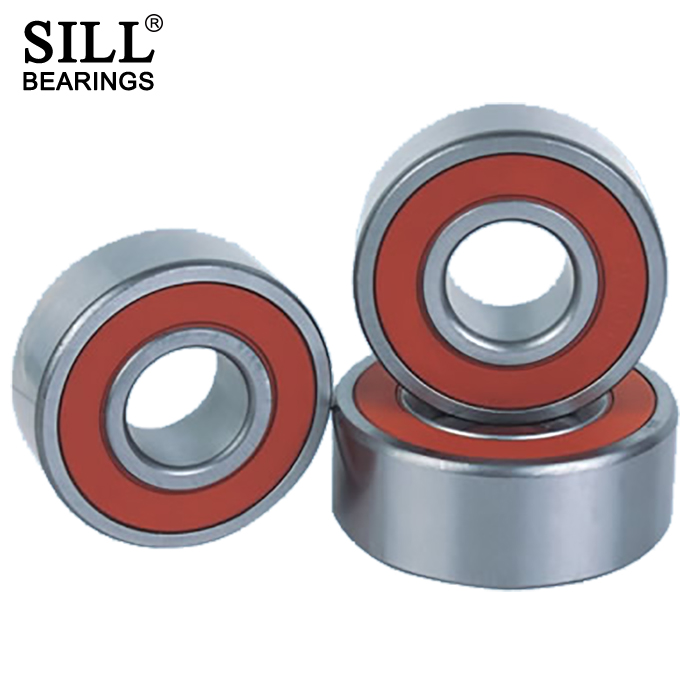
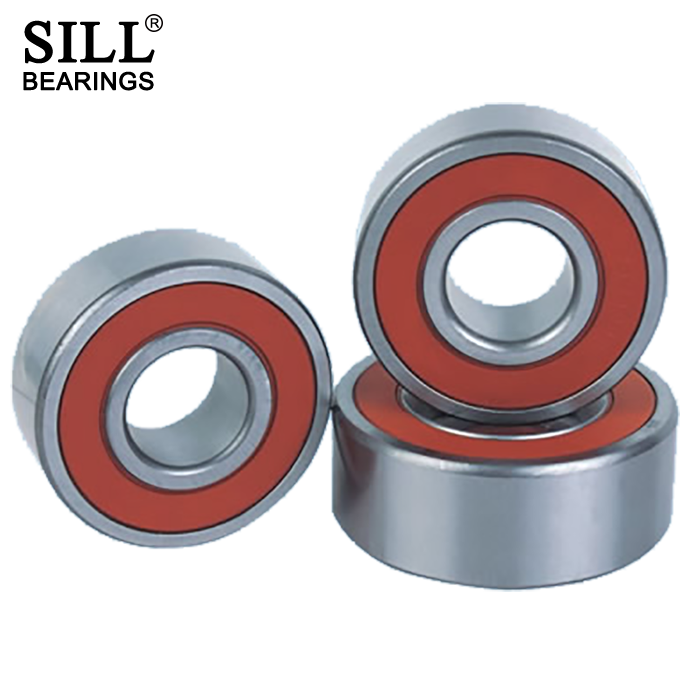
Ball bearings, one of the most common types, utilize small, smooth metal balls as rolling elements. Their compact design minimizes friction, making them ideal for high-speed applications such as passenger cars and light-duty vehicles. Most modern ball bearings for automotive use are sealed for life, featuring pre-lubricated seals that prevent dirt, debris, and moisture ingress—this not only eliminates the need for regular maintenance but also extends the bearing’s service life significantly.
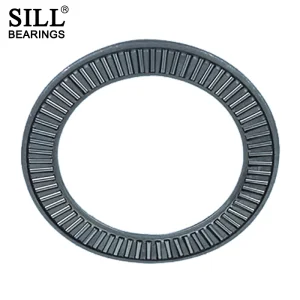
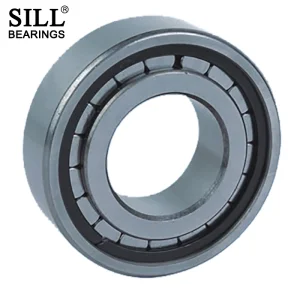
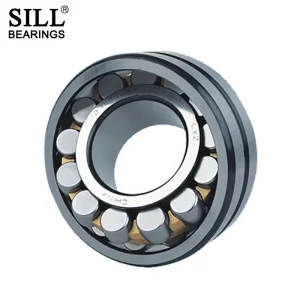
Roller bearings, by contrast, employ cylindrical or tapered rollers as rolling elements, offering a larger contact area between the bearing components. This enhanced contact area translates to superior load-bearing capacity, making roller bearings the preferred choice for heavier vehicles such as trucks, SUVs, and commercial vehicles.
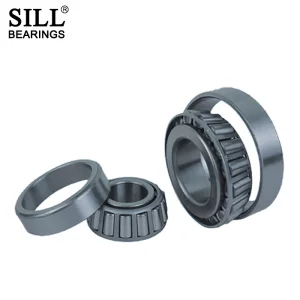
Tapered roller bearings stand out among this category, as they are specifically engineered to handle substantial radial and axial loads simultaneously—critical for vehicles that frequently carry heavy payloads or traverse uneven terrain. Their robust construction ensures stability and durability even under extreme operating conditions, reducing the risk of premature failure.
In modern automotive design, integrated hub units have become the industry standard for most passenger cars and light trucks. These pre-assembled units combine the wheel bearing, hub, and often ABS tone rings or sensors into a single, ready-to-install component. The integration of these parts simplifies installation for mechanics, reduces the risk of assembly errors, and ensures consistent performance.
Additionally, integrated hub units are designed with advanced sealing technology, providing exceptional protection against harsh environmental factors like road salt, water, and dust—common culprits of bearing degradation. By incorporating ABS sensors directly into the unit, they enable real-time monitoring of wheel speed, a key input for ABS and ESP systems that prevent wheel lock-up and loss of control during braking or slippery conditions.