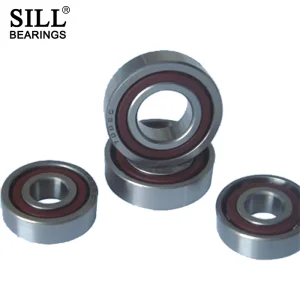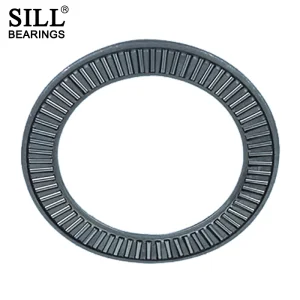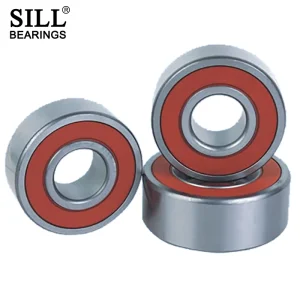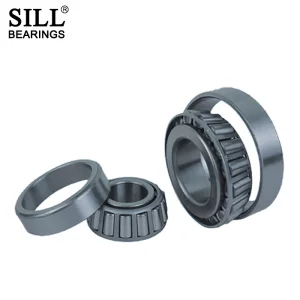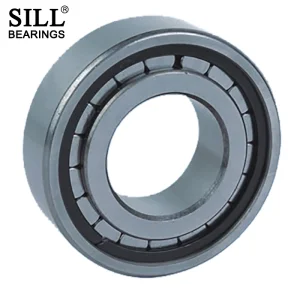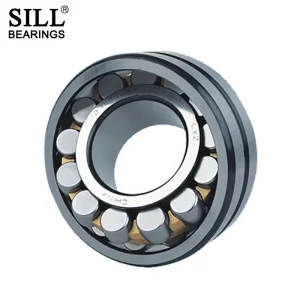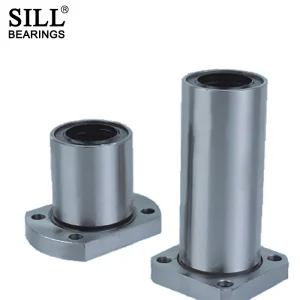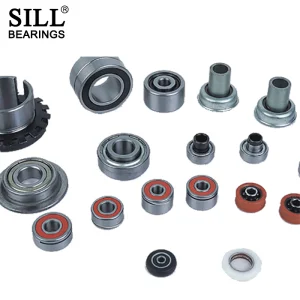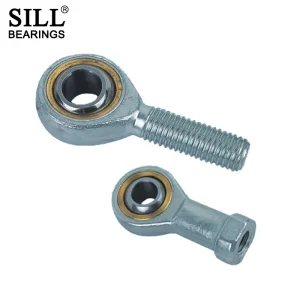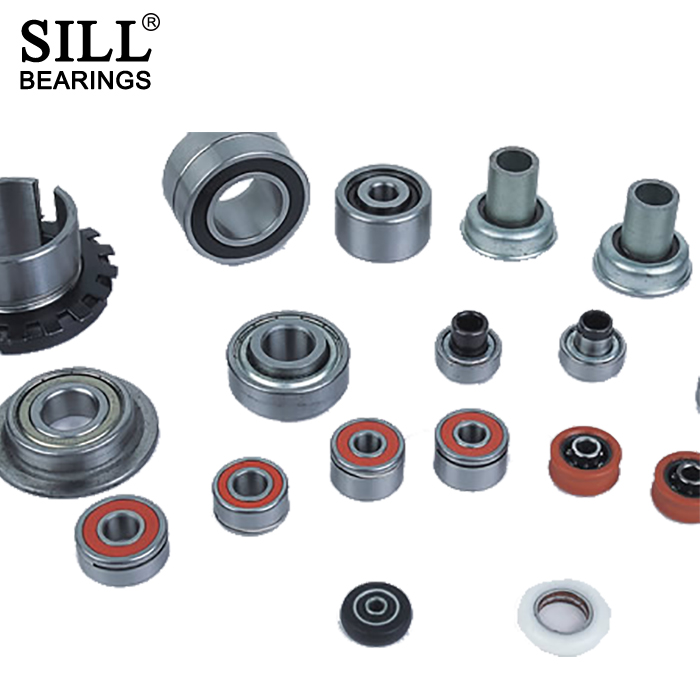

Non-standard bearings, also referred to as custom bearings or bespoke bearings, are a critical category of industrial components designed to deviate from established national and international size standards. Unlike standard bearings that follow universal dimension specifications for widespread compatibility, non-standard bearings are tailored to meet unique dimensional requirements—meaning their inner diameter, outer diameter, width, or overall structure differs from off-the-shelf alternatives.
⚙️
These specialized bearings play an indispensable role in industries where standard parts fail to fit unique equipment designs, operate in harsh environments, or meet specific performance criteria, making them a cornerstone for custom machinery and high-precision applications.
What sets non-standard bearings apart is their focus on personalized performance and adaptability. Engineered to address gaps in standard bearing capabilities, they often feature custom materials, unique structural designs, and special surface treatments to withstand extreme conditions.
🚀
For instance, in sectors like aerospace, marine engineering, and semiconductor manufacturing, non-standard bearings may utilize advanced materials such as silicon nitride ceramics, PTFE-based plastics, or high-grade stainless steel.
These materials deliver exceptional properties, including non-magnetic performance for medical imaging equipment, corrosion resistance for offshore oil rigs, and self-lubricating capabilities for high-temperature industrial ovens—attributes that standard steel bearings simply cannot provide.
Beyond materials, non-standard bearings boast tailored designs to accommodate specific operational tasks. Common custom design features include integrated U-slots for linear motion systems, arc-shaped raceways for rotational precision, and one-piece constructions for enhanced stability in heavy-load applications.
🛡️
Additionally, many non-standard bearings are equipped with special coatings to improve wear resistance, reduce friction, or prevent contamination in vacuum or cleanroom environments.
While their low-volume production typically results in a higher cost compared to standard bearings, their ability to ensure equipment reliability, extend service life, and optimize performance makes them a cost-effective investment for specialized projects.
❓ Frequently Asked Questions
What are non-standard bearings?
Non-standard bearings are custom-engineered industrial components that deviate from universal national or international size specifications in terms of diameter, width, or internal structure.
In which industries are custom bearings most commonly used?
They are vital in high-precision sectors such as aerospace, marine engineering, medical equipment (like MRI machines), and semiconductor manufacturing.
What unique materials are used for non-standard bearings?
Common advanced materials include silicon nitride ceramics, PTFE-based plastics, and high-grade stainless steel, which offer non-magnetic and corrosion-resistant properties.
What special design features can be added to these bearings?
Tailored features often include integrated U-slots for linear motion, arc-shaped raceways for rotation precision, and specialized coatings for wear resistance.
Are non-standard bearings more expensive than standard ones?
Yes, low-volume production typically results in a higher initial cost, but they are more cost-effective long-term due to increased reliability and optimized performance in specific environments.
Why choose a non-standard bearing over an off-the-shelf option?
They are chosen when standard bearings cannot fit unique equipment dimensions or fail to withstand extreme operating conditions like high heat, vacuums, or corrosive elements.