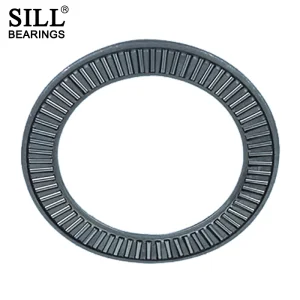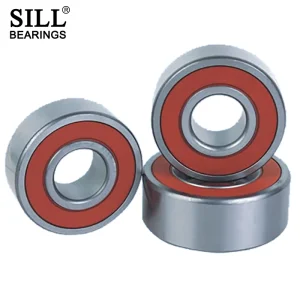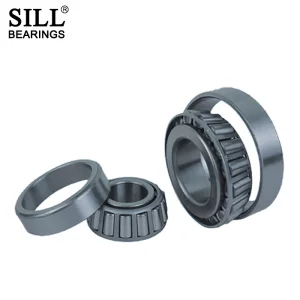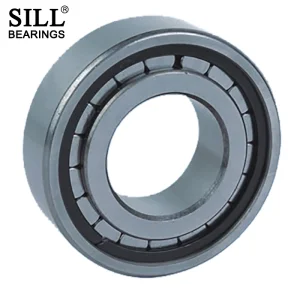

Sill Bearing Sill Bearing

Wholesale Linear Bearings Suppliers, Factory

Product Description

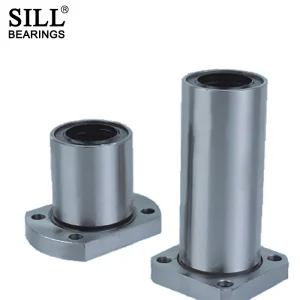
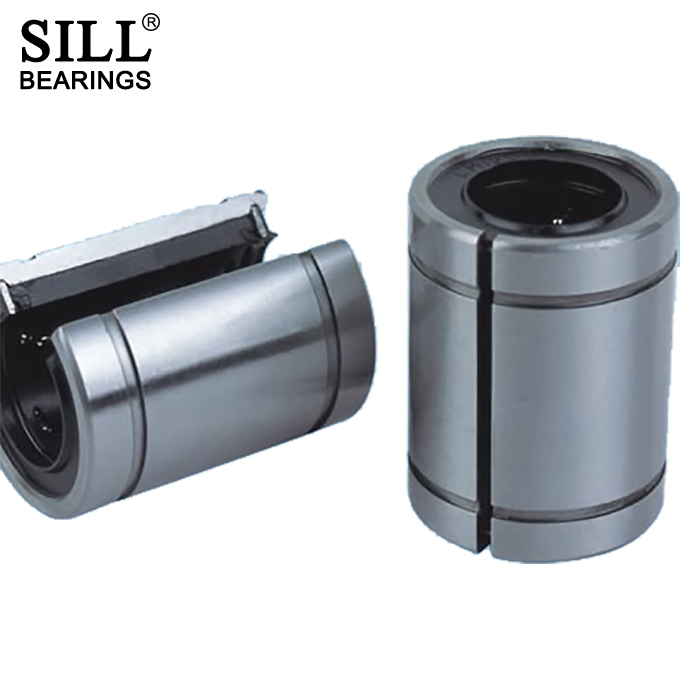
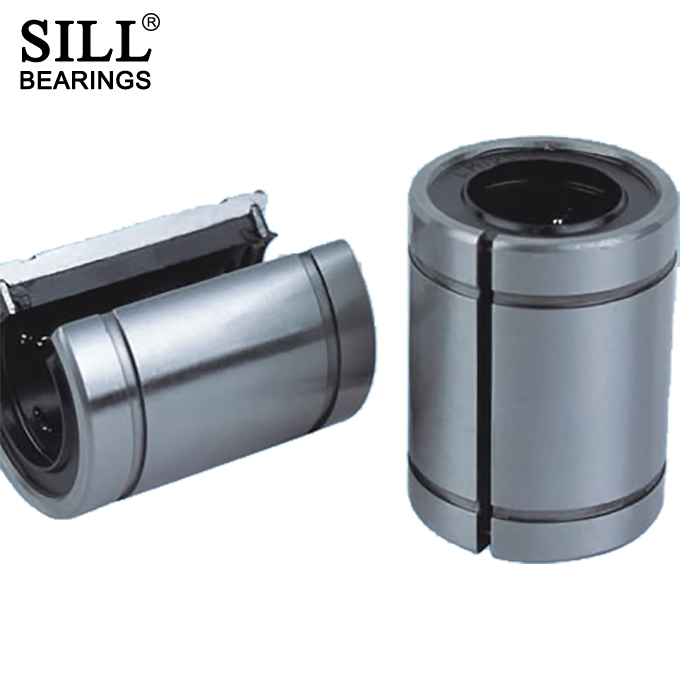
Linear bearings are essential linear motion systems designed for cost-effective manufacturing and seamless infinite stroke operations when paired with cylindrical shafts. As critical components in industrial machinery, they are widely integrated into the sliding mechanisms of precision equipment—including CNC machine tools, high-speed textile machinery, automated food packaging lines, and commercial printing machinery—delivering reliable performance that underpins modern manufacturing efficiency.

Unlike rotational bearings that facilitate circular motion, linear bearings specialize in smooth, precise one-dimensional movement, significantly reducing friction between moving parts and ensuring consistent positioning accuracy, which is indispensable for automated production processes.

Working Mechanism & Designs

Rolling Element Design

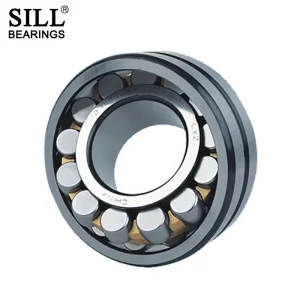
High-precision steel balls or rollers are encapsulated between a cylindrical shaft and a bearing housing. These elements recirculate through dedicated pathways, minimizing contact friction and enabling high-speed, low-wear motion.

Sliding Surfaces

Utilizing self-lubricating polymer liners or bronze surfaces that slide directly on shafts, these offer maintenance-free operation ideal for mechanical systems with moderate load requirements.

Dovetail Slides: A key type featuring V-shaped contact channels that provide exceptional radial and axial stability, making them perfect for heavy-duty machinery like milling machines and industrial presses.

Industrial & Consumer Applications

  • Industrial Automation: Backbone of CNC machining centers, robotic arms, and 3D printers, ensuring micron-level accuracy.
  • Medical Devices: Used in MRI scanners and surgical robots for sterile, low-noise operation.
  • Consumer Products: Enhances furniture slides, drawer systems, and high-end camera rigs.

Material Selection & Performance

Material selection plays a pivotal role in performance: aluminum housings offer lightweight corrosion resistance, high-carbon steel shafts provide exceptional durability for heavy-load applications, and PTFE-infused polymers ensure self-lubrication in harsh environments. These linear bearings meet global industry standards, making them a trusted choice for businesses seeking to optimize efficiency, precision, and longevity in their mechanical systems.
Frequently Asked Questions

1. What is the primary function of a linear bearing? Linear bearings specialize in smooth, precise one-dimensional movement, reducing friction between moving parts and ensuring consistent positioning accuracy in automated systems.
2. How do rolling element linear bearings differ from plain bearings? Rolling element bearings use recirculating balls or rollers to minimize friction for high-speed use, while plain bearings use self-lubricating surfaces for maintenance-free, moderate-load applications.
3. What industries benefit most from linear motion systems? Key industries include CNC machining, medical device manufacturing (MRI scanners), high-speed textile production, automated food packaging, and 3D printing.
4. Why are dovetail slides used in heavy-duty machinery? Dovetail slides feature V-shaped channels that offer superior radial and axial stability, which is essential for heavy-duty equipment like milling machines and industrial presses.
5. What materials are best for harsh or maintenance-free environments? PTFE-infused polymers are ideal for harsh environments as they provide self-lubrication, while aluminum housings are preferred for lightweight and corrosion-resistant needs.
6. Can linear bearings be used in consumer-grade products? Yes, they are widely used in high-end consumer products such as furniture drawer slides, camera stabilizer rigs, and sliding hardware systems.

Related Products