
Sill Bearing
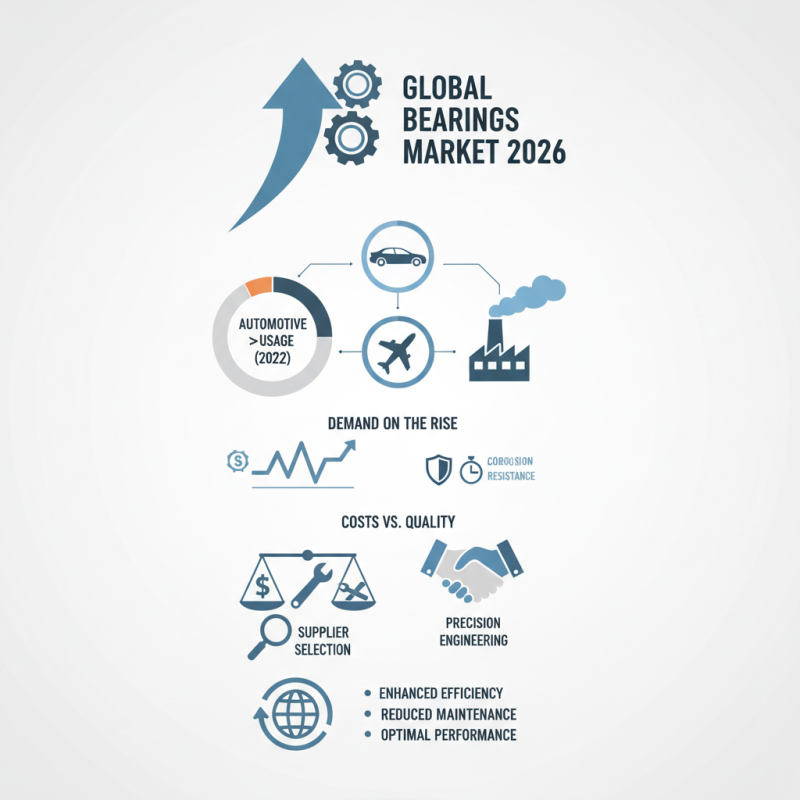
The demand for Stainless Steel Ball Bearings is on the rise, driven by various industries. According to a recent market analysis by ResearchAndMarkets, the global bearings market is projected to reach $100 billion by 2026. This growth reflects advancements in automotive, aerospace, and manufacturing sectors. Stainless steel bearings, known for their corrosion resistance, are essential in high-performance applications.
In 2022, the automotive industry accounted for over 30% of total bearing usage, highlighting the significance of reliable components. For instance, stainless steel ball bearings are favored for their durability and longevity, even in challenging environments. However, manufacturers face challenges like fluctuating raw material costs and increasing competition, which can impact product quality and pricing.
Industry experts recommend focusing on suppliers with a proven track record in precision engineering. Investing in quality stainless steel ball bearings can result in enhanced operational efficiency and reduced maintenance costs. As global buyers navigate this evolving landscape, understanding the nuances of bearing selection remains critical. Not every solution fits every need, and careful consideration is necessary to achieve optimal performance.
When selecting stainless steel ball bearings, several key features stand out. Durability is paramount. Quality bearings should withstand harsh conditions. Look for corrosion resistance to ensure longevity. Materials used in construction impact performance. Stainless steel grade can greatly influence resistance to wear and tear.
Another critical feature is load capacity. Bearings must support the weight they will carry. The right selection ensures smooth operation and increases efficiency. Noise level is also essential. A quieter bearing means less disruption in your equipment. Pay attention to the type of lubricant used. This factor can affect both performance and lifespan.
Size is often overlooked but crucial. Ensure proper fit in your machinery. An improper size leads to inefficiencies and potential mechanical failure. Availability of replacements is a consideration too. It’s beneficial to choose options that are easily sourced. Researching these factors aids in making informed decisions. Consider your specific needs carefully.
In 2026, the stainless steel ball bearing market is poised for significant growth. According to industry reports, the global market is projected to reach a value of $12 billion. This growth is driven by the rising demand in various sectors, including automotive, aerospace, and robotics. The trend towards high-performance machinery requires reliable components. Thus, leading brands are focusing on innovation and quality.
Several key players are expected to dominate the market in 2026, leveraging advanced manufacturing processes. Companies are investing in new technologies. They aim to enhance the durability and performance of their products. Research indicates that stainless steel bearings account for over 60% of total bearing sales. This indicates a strong preference for stainless steel in demanding applications.
Despite the promising growth, challenges remain. Supply chain disruptions and raw material costs can impact prices. Companies must navigate these issues while ensuring product reliability. The evolving market demands constant adaptation. Thus, firms need to stay ahead with effective strategies. The stainless steel ball bearing landscape is dynamic and requires ongoing attention to quality and innovation.
When exploring stainless steel ball bearings, understanding their variety is crucial. Many buyers seek bearings that provide durability, corrosion resistance, and low friction. Popular options include single-row, double-row, and angular contact designs. Each type serves different mechanical needs, from high-speed applications to heavy-load scenarios.
The materials used in manufacturing also play a significant role. High-quality stainless steel ensures longevity and performance. Other factors include ball diameter, lubrication type, and seal design. Different combinations can impact both efficiency and lifespan. It's important for buyers to analyze these attributes based on their specific applications.
Regular reviews and comparisons of these products reveal inconsistencies in performance. Some buyers report premature failure or mismatch in application suitability. Recognizing these potential pitfalls can lead to better purchasing decisions. Thorough research and expert consultations enhance understanding and minimize risks.
Stainless steel ball bearings play a crucial role in various industries. Their robust construction provides durability and resistance to corrosion. These bearings are commonly used in automotive, aerospace, and manufacturing sectors. Their versatility makes them ideal for high-speed applications.
In the automotive industry, stainless steel ball bearings ensure smooth operation of engines and wheels. They reduce friction and enhance performance, leading to better fuel efficiency. In aerospace, these bearings withstand extreme temperatures. They are vital for aircraft engines, where reliability is paramount.
**Tip:** Regular maintenance of bearings can extend their lifespan. Keep them clean and lubricated.
Manufacturing relies on stainless steel bearings for conveyor systems and machine tools. Their ability to handle heavy loads helps in efficient production processes. With the rise of automation, the demand for these bearings increases. They ensure precision and reliability in machinery operations.
**Tip:** Consider the environment where the bearings will be used. This impacts their longevity and performance.
Stainless steel ball bearings continue to be essential across industries. Their applications highlight the need for quality and reliability in mechanical functions.
The stainless steel ball bearing industry is poised for significant evolution in the coming years. According to a recent market report, the global stainless steel ball bearing market is expected to grow at a compound annual growth rate (CAGR) of 4.5% through 2026. This growth is driven by increased demand for precise and durable components in various industries, including automotive and aerospace.
One notable trend is the push for sustainability. Many manufacturers are investing in eco-friendly production methods. These methods not only reduce environmental impact but also improve performance. Research indicates that bearings made from recycled materials can reduce costs and lower the carbon footprint by as much as 30%. This shift reflects a broader trend in manufacturing towards better environmental practices.
Tips: Consider the material's purity when selecting stainless steel ball bearings. Purity affects durability and performance. Also, keep an eye on market innovations. New designs may offer enhanced efficiency and lifespan. Regularly reviewing your supplier's practices can ensure you are getting the most reliable products available. This proactive approach can help avoid potential pitfalls in selecting the wrong components.
: The market is projected to reach a value of $12 billion.
The automotive, aerospace, and robotics sectors are key drivers of demand.
Manufacturers invest in new technologies and advanced manufacturing processes.
Stainless steel bearings account for over 60% of total bearing sales.
Supply chain disruptions and raw material costs can impact prices and reliability.
The push for sustainability through eco-friendly production methods is significant.
By using bearings made from recycled materials, manufacturers can reduce costs and environmental impact.
Purity affects the durability and performance of the bearings.
Companies should regularly review their suppliers' practices to ensure product reliability.
Staying updated on market innovations can prevent potential pitfalls in choosing the wrong components.
As the demand for high-performance components grows, stainless steel ball bearings are becoming increasingly essential in various industries. This article outlines the key features to consider when selecting stainless steel ball bearings, which include durability, corrosion resistance, and load capacity. Moreover, it highlights the leading brands set to dominate the market in 2026, alongside a comparative analysis of popular options available to global buyers.
The applications of stainless steel ball bearings are vast, ranging from automotive and aerospace to medical equipment, reflecting their versatility and reliability. Understanding the future trends in this sector, such as advancements in material technology and design innovations, is crucial for businesses seeking to stay ahead of the competition. Overall, stainless steel ball bearings will continue to play a pivotal role in enhancing efficiency and performance across various applications.