
Sill Bearing Sill Bearing

Top 10 Small Ball Bearings in China for Global Buyers?

Time:2026-05-13 Author:Amelia
0%

The small ball bearings industry plays a crucial role in various sectors, from automotive to aerospace. In 2022, the global market for small ball bearings was valued at approximately $3.7 billion, with a projected growth rate of 5.2% annually. As an industry expert, Dr. James Wu of the China Bearing Industry Association states, "Small Ball Bearings are integral to innovations in machinery efficiency and performance." His insight emphasizes the essential function these components serve in modern engineering.

China stands out as a leading manufacturer of small ball bearings, providing high-quality products for global buyers. The nation accounts for about 30% of the total market share, thanks to its robust supply chains and advanced manufacturing techniques. However, challenges like quality control and competitive pricing remain. This dynamic landscape calls for buyers to conduct thorough research and carefully select suppliers who uphold stringent standards.

As the demand for precise and reliable machinery grows, the spotlight on small ball bearings intensifies. Buyers must navigate this industry with care, as not all products meet the necessary quality benchmarks. It is vital to remain vigilant in assessing manufacturer credentials and product specifications. The stakes are high in procurement, as any oversight can lead to costly implications in operational performance.
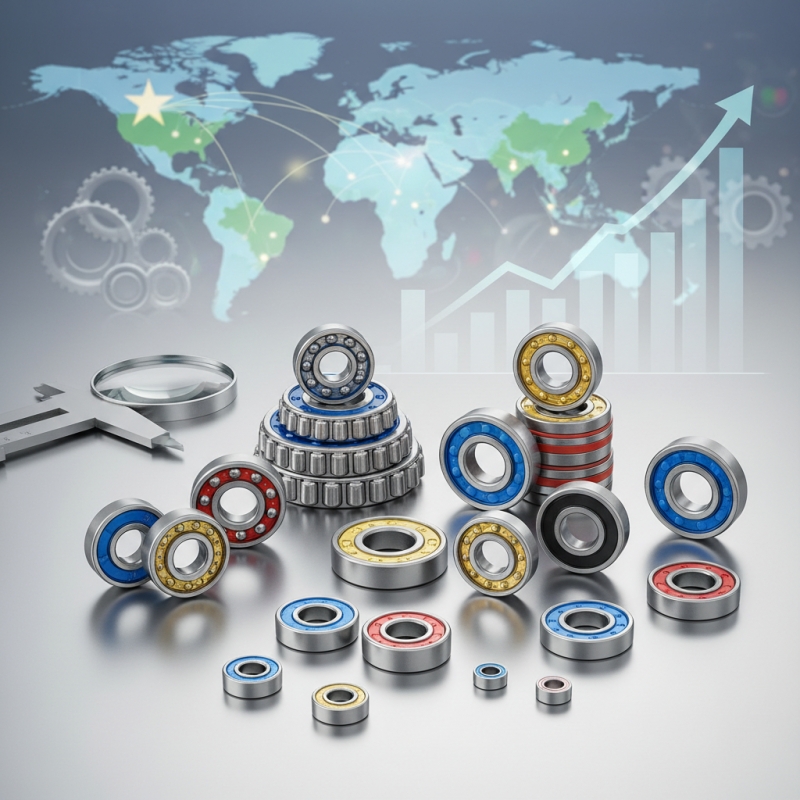
Top 10 Small Ball Bearings in China for Global Buyers?

Top 10 Small Ball Bearings Manufacturers in China: Overview and Insights

China has become a significant player in the global small ball bearing market. According to recent industry reports, China accounts for around 30% of the world's ball bearing production. This statistic highlights the importance of Chinese manufacturers for buyers looking for quality and affordability.

Several leading manufacturers in China specialize in small ball bearings. These companies utilize advanced technology and adhere to strict quality standards. For instance, many factories have received ISO certifications, ensuring reliability and performance. However, buyers face challenges, such as varying quality levels and inconsistent lead times. Not all manufacturers maintain the same standards, which creates confusion for procurement teams.

Market analysis shows that the demand for small ball bearings continues to grow. Projections indicate a compound annual growth rate of approximately 4% in the coming years. This growth is driven by increased applications in automotive and electronics industries. Yet, potential buyers must conduct thorough research. Choosing the right manufacturer requires understanding their production capabilities and quality assurance processes.

Market Analysis: Demand and Growth Trends for Small Ball Bearings in China

The small ball bearings market in China shows significant potential. According to recent industry reports, demand is expected to grow by 8% annually over the next five years. Factors driving this growth include advancements in technology and an increase in automation.

Manufacturers are adapting to market needs. They focus on improving production processes and enhancing efficiency. The automotive and electronics sectors drive much of this demand. In fact, automotive applications account for nearly 40% of the total demand. Companies are challenged to balance quality with cost-effectiveness.

Despite this growth, challenges remain. Fluctuating raw material prices impact production costs. Additionally, the market faces intense competition from both domestic and international players. It is essential for businesses to stay informed on industry trends. Data from authoritative sources will be crucial for strategic planning. This insight can guide decision-making and foster resilience in a competitive landscape.

Top 10 Small Ball Bearings in China for Global Buyers

Rank Bearing Type Inner Diameter (mm) Outer Diameter (mm) Load Capacity (N) Market Share (%) Growth Rate (%)
1 Miniature Ball Bearing 2 5 200 15 5
2 Deep Groove Ball Bearing 3 8 300 20 6
3 Thin Section Ball Bearing 4 10 250 12 5
4 Angular Contact Ball Bearing 5 12 350 18 7
5 Self-Aligning Ball Bearing 6 14 400 10 4
6 Ball Screw Bearing 4 9 300 8 3
7 Hybrid Ceramic Ball Bearing 5 11 500 5 2
8 Spherical Ball Bearing 3 10 280 7 3
9 Ceramic Ball Bearing 4 10 350 6 4
10 Plastic Ball Bearing 2 6 150 4 1

Key Specifications and Types of Small Ball Bearings for Global Buyers

Small ball bearings play a crucial role in various industries worldwide. They are essential components for reducing friction in machinery. This makes them vital in automotive, electronics, and aerospace sectors. Understanding their specifications and types can help buyers identify the right products. Common types include deep groove ball bearings and angular contact bearings. Each type serves different mechanical needs.

When selecting small ball bearings, the material matters. Stainless steel, chrome steel, and ceramic are popular choices. The size is also important. Common inner diameters range from a few millimeters to several centimeters. Buyers should consider load capacity as well. Higher load ratings ensure durability and reliability.

However, finding the right bearing can be a challenge. Many options exist, and specifications can be overwhelming. It's essential to prioritize applications when making choices. Some buyers may focus on cost, while others may require high precision. This disparity can lead to confusion and misalignment of needs. It's advisable to consult with experts familiar with the specific application requirements.

Top 10 Small Ball Bearings in China for Global Buyers

Quality Standards and Certifications for Small Ball Bearings in the Industry

When selecting small ball bearings from China, buyers must pay attention to quality standards and certifications. These elements ensure reliability and performance in various applications. Most bearings should comply with ISO standards, which outline expectations for manufacturing processes. Additionally, many manufacturers seek out certifications like TS16949 or API, which highlight a commitment to quality.

Quality control is a crucial aspect of production. Often, manufacturers perform rigorous testing to ensure durability and precision. However, buyers may encounter inconsistencies, even among certified products. Some bearings may show wear after short usage. This raises questions about manufacturing practices. Understanding these quality standards helps buyers make informed decisions.

Getting familiar with international certifications can also be overwhelming. Differences in standards may confuse buyers. Not all manufacturers follow the same guidelines. Investigating a supplier's history with quality assurance is essential. Reliable manufacturers often provide documentation to back their claims. It fosters trust, but buyers should remain vigilant and ask the right questions. Clear communication with suppliers is key to overcoming these challenges.

Supply Chain Dynamics: Export Trends in Small Ball Bearings from China

The small ball bearing industry in China continues to influence global supply chains. Exports of these components have seen significant trends. The production quality in China varies, as not all manufacturers adhere to the same standards. Buyers need to do their homework to identify reliable suppliers.

Optimal small ball bearings often feature materials that enhance durability and performance. Manufacturers are increasingly focusing on precision engineering to meet international demands. However, inconsistencies in quality can arise when sourcing from less reputable factories. This creates a risk for global buyers who prioritize quality over cost.

Supply chain dynamics are shifting due to global trends. Tariffs, lead times, and geopolitical factors impact sourcing strategies. Buyers might find it challenging to navigate these complexities. Ensuring a thorough vetting process for suppliers can mitigate risks. Developing relationships with trustworthy manufacturers is key to achieving reliable supply chains.

FAQS

: What are small ball bearings used for?

: They reduce friction in machinery, vital for automotive, electronics, and aerospace industries.

What types of small ball bearings are common?

Deep groove ball bearings and angular contact bearings. Each serves different mechanical needs.

How important is material when selecting ball bearings?

Material affects durability. Stainless steel, chrome steel, and ceramic are popular choices.

What size options are available for small ball bearings?

Inner diameters range from a few millimeters to several centimeters.

What should buyers consider regarding load capacity?

Higher load ratings ensure durability and performance over time.

Why is quality assurance crucial in selecting ball bearings?

It ensures reliability. Inconsistent quality can lead to premature wear, despite certifications.

What challenges do buyers face with international certification?

Different standards can confuse buyers. Investigating supplier history is essential.

How does supply chain dynamics affect sourcing small ball bearings?

Global trends like tariffs and lead times impact sourcing strategies.

What can buyers do to mitigate risks when sourcing?

Vet suppliers thoroughly and build relationships with trustworthy manufacturers.

What common mistake do buyers make when selecting these components?

Focusing solely on cost instead of quality can lead to misalignment with needs.

Conclusion

The article "Top 10 Small Ball Bearings in China for Global Buyers" provides a comprehensive overview of the small ball bearing industry in China, highlighting its significance in the global market. It explores top manufacturers and delves into market analysis, revealing current demand and growth trends specific to small ball bearings. Additionally, it outlines key specifications and types essential for global buyers, ensuring they are well-informed about their options.

Quality standards and certifications are discussed, emphasizing the importance of compliance in the small ball bearing sector. Furthermore, the article examines supply chain dynamics and export trends, shedding light on how China remains a pivotal player in the global supply of small ball bearings. Overall, this analysis serves as a valuable resource for international buyers seeking to navigate the complexities of sourcing small ball bearings from China.

Amelia

Amelia

Amelia is a seasoned marketing professional with a wealth of expertise in our company’s core offerings. With an unwavering passion for driving growth and innovation, she plays a pivotal role in shaping our marketing strategies and enhancing brand visibility. A key aspect of her responsibilities......