Sill Bearing
The demand for Steel Ball Bearings is growing globally. Industries require high-quality components for smooth operations. China has emerged as a significant player in this market. Numerous manufacturers produce reliable Steel Ball Bearings. However, quality can vary greatly among suppliers.
Understanding the nuances of different products is essential for buyers. The right bearings can enhance machinery efficiency and longevity. Quality Steel Ball Bearings reduce friction and wear, which is vital for performance. Yet, it is not always easy to identify the best options.
Buyers must consider several factors when selecting their suppliers. While price is important, it should not be the sole focus. Reliability and durability should take precedence. Moreover, there may be hidden issues in cheaper options. A careful evaluation of available products is essential for a successful purchase.
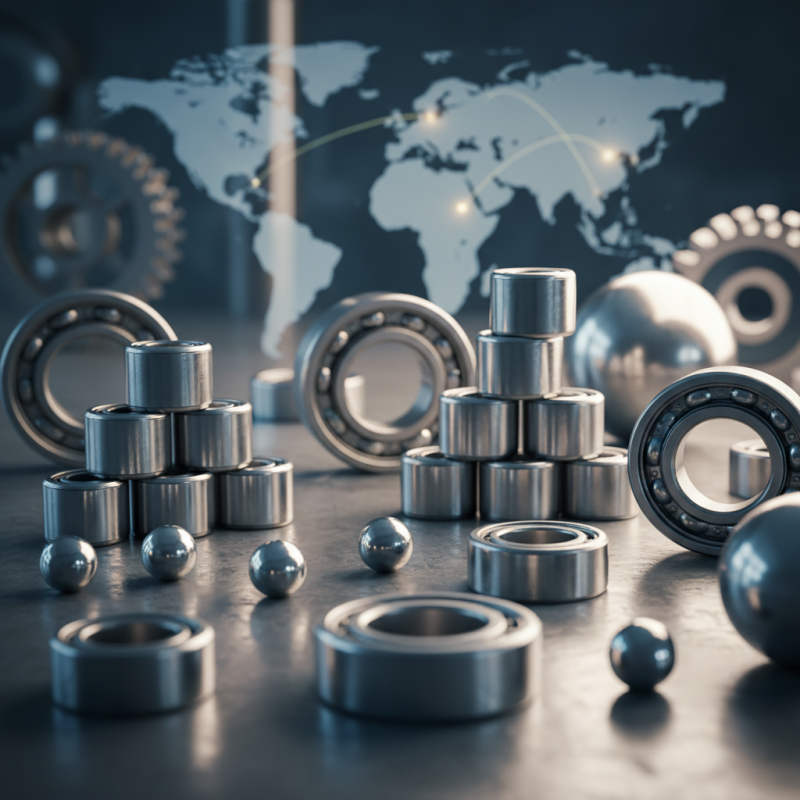
The global market for steel ball bearings is not only expansive but also evolving rapidly. In 2022, the market size reached approximately $25 billion, driven by diverse sectors such as automotive, aerospace, and manufacturing. These industries increasingly demand high-performance bearings capable of enduring heavy loads and harsh conditions. This presents both opportunities and challenges for manufacturers.
Recent analyses indicate that the Asia-Pacific region dominates production, accounting for over 45% of the global output. While China leads in quantity, quality remains a concern. Some manufacturers may prioritize cost-cutting over precision, impacting reliability. The European and North American markets emphasize standards and certifications, reflecting their commitment to quality assurance.
Sustainability is becoming a focal point in the industry. An estimated 30% of steel ball bearings are now produced using eco-friendly methods. However, there's a need for more companies to adopt greener practices. As global demand increases, balancing growth with environmental responsibility is crucial. The industry must reflect and adapt to these trends while not compromising on quality.
China is home to several key manufacturing regions for steel ball bearings. These areas showcase a blend of advanced technologies and traditional expertise. Jiangsu Province excels in producing high-precision bearings. The local industry benefits from a rich pool of skilled labor and robust infrastructure. Numerous factories operate here, focusing on quality control and innovation.
In addition, Zhejiang Province plays a vital role in the steel ball bearings market. It specializes in diverse bearing applications, catering to various sectors. The proximity to major transportation hubs enhances logistics efficiency. This region, however, faces challenges like fluctuating raw material costs. Manufacturers must adapt to remain competitive.
Shandong Province also contributes significantly to steel ball bearing production. Its factories often focus on bulk manufacturing, prioritizing affordability. While the quantity is impressive, some products may lack the precision of those from Jiangsu. Manufacturers in Shandong are increasingly investing in technology to bridge this gap. Each region offers unique strengths, and buyers should consider these differences carefully. This awareness helps ensure the best choices are made for their specific needs.
When evaluating steel ball bearings, several critical criteria should be considered. Material quality is essential. High-quality steel can improve durability and reduce wear. The hardness of the steel affects lifespan and performance under various conditions. It’s vital to assess the materials used in production.
The manufacturing process also plays a role in quality evaluation. Precision during production ensures proper dimensions and minimizes defects. Uniformity in shape and size can enhance performance and reliability. Small inconsistencies can lead to significant issues in machinery.
Lubrication properties are crucial for effective operation. Bearings must function smoothly under different temperatures and loads. Inadequate lubrication can cause premature failure. Making a choice based on these criteria helps in finding reliable products. It’s important to reflect on the balance between cost and quality, as lower-priced options may not always deliver optimal performance.
This chart illustrates the key criteria for evaluating the quality of steel ball bearings manufactured in China. Each criterion is rated on a scale from 0 to 100%, showing the importance of load capacity, durability, friction, cost efficiency, and precision for global buyers.
When considering the global market for steel ball bearings, China's manufacturers dominate in both quantity and innovation. Recent data reveals that China accounts for over 60% of the world's steel ball bearing production. This large supply base offers various options for buyers, yet discerning the right manufacturer can be challenging. Many companies are now focusing on specialized products, with some excelling in high-load and precision ball bearings. These products are crucial for machinery in sectors like automotive and aerospace.
Key players in the industry often promote products that meet stringent international standards. A report by the International Bearing Association highlights that these manufacturers have invested heavily in technology to enhance their production capabilities. Despite the advancements, there are still inconsistencies in quality. Some manufacturers struggle with the precision required for high-performance applications. Buyers must conduct thorough due diligence to avoid subpar products that can compromise their operations.
Recent trends show an increasing demand for customized ball bearings. Manufacturers are adapting to this shift by offering tailored solutions. However, not all factories can meet these specific requirements effectively. Quality control remains a constant challenge. Buyers should prioritize manufacturers who demonstrate a proven track record in quality assurance processes. This ensures they receive products that align with their exact specifications.
The steel ball bearing industry is evolving rapidly. According to a recent market report by Research and Markets, the global ball bearing market is projected to reach USD 56 billion by 2025, growing at a CAGR of 6.0% from 2020. This growth is mainly driven by the increasing demand from the automotive and machinery sectors. A surge in electric vehicle production is transforming design requirements, pushing manufacturers to innovate.
Sustainable practices are becoming essential. Reports indicate that 70% of buyers now prioritize eco-friendly production methods. This shift reflects a growing awareness of environmental impact. However, not all manufacturers are adapting equally. Some still rely on outdated methods, which may lead to questions about their commitment to sustainability. The push for greener practices complicates the supply chain and impacts pricing strategies.
Digital transformation is another trend shaping the industry. Many companies are investing in smart manufacturing technologies. This can enhance efficiency but also raises concerns about cybersecurity issues. The interplay between innovation and risk requires careful navigation. As the sector matures, challenges will likely persist. Ensuring quality while meeting rising standards will be vital for future success.
| Type | Material | Size (mm) | Load Capacity (N) | Applications | Trends |
|---|---|---|---|---|---|
| Deep Groove Ball Bearing | Steel | 25 | 5000 | Electric Motor | Increased Automation |
| Angular Contact Ball Bearing | Stainless Steel | 30 | 6000 | Machine Tools | Eco-friendly Materials |
| Self-Aligning Ball Bearing | Carbon Steel | 40 | 7000 | Agricultural Machinery | Smart Technology Integration |
| Thrust Ball Bearing | Heat-treated Steel | 35 | 8000 | Elevators | Sustainability Concerns |
) Diverse sectors like automotive and aerospace demand high-performance bearings for heavy loads. (Q) Which region dominates steel ball bearings production? (A) The Asia-Pacific region leads production, making up over 45% of the global output.(Q) What is a major concern regarding quality in steel ball bearings? (A) Some manufacturers prioritize cost-cutting over precision, affecting reliability and performance.(Q) How are sustainability practices changing in this industry? (A) About 30% of bearings are now produced using eco-friendly methods, but more companies need to adopt them.(Q) What should be considered when evaluating steel ball bearings? (A) Material quality, manufacturing process, and lubrication properties are critical for reliable performance.(Q) Why is lubrication important for steel ball bearings? (A) Proper lubrication ensures smooth operation under various conditions and prevents premature failure.(Q) How does the manufacturing process impact bearing quality? (A) Precision in production minimizes defects, while uniformity enhances overall reliability and performance.(Q) What is a potential issue with lower-priced steel ball bearings? (A) Lower prices may compromise quality, leading to suboptimal performance in machinery.(Q) Why is it crucial to balance cost and quality? (A) Reflecting on this balance helps ensure the long-term reliability and efficiency of the bearings. (Q) What should manufacturers focus on to meet market demands? (A) They must adapt to trends while maintaining high-quality standards and environmental responsibility.
The article "Top China Best Steel Ball Bearings for Global Buyers?" provides a comprehensive overview of the steel ball bearings market, highlighting their significance for global trade. It discusses the key manufacturing regions in China, underscoring the country's vital role in producing high-quality steel ball bearings. The article outlines essential criteria for evaluating the quality of these components, ensuring that buyers can make informed decisions.
Furthermore, the article identifies top Chinese manufacturers and their signature products, showcasing the innovation and expertise present in the industry. It also examines the trends shaping the future of steel ball bearings in global markets, indicating a shift towards advanced technology and sustainability in production. This insight is crucial for buyers seeking reliable and efficient steel ball bearings to meet their needs.