Choosing the right stainless bearing is crucial for ensuring optimal performance in various applications. These bearings are known for their durability and resistance to corrosion. However, with numerous options available, selecting the ideal one can be daunting. Understanding key factors can help streamline this process.
When evaluating stainless bearings, consider material quality and design specifications. Premium stainless steel offers enhanced strength and longevity. Additionally, matching the bearing type to the specific application is vital. This alignment prevents premature wear and failure.
Knowledge about the bearing's load capacity is equally important. Misjudging this can lead to serious operational issues. Not all stainless bearings perform the same under stress. It’s wise to consult with industry experts for tailored advice. Ultimately, making an informed choice will yield better results and save costs in the long run.
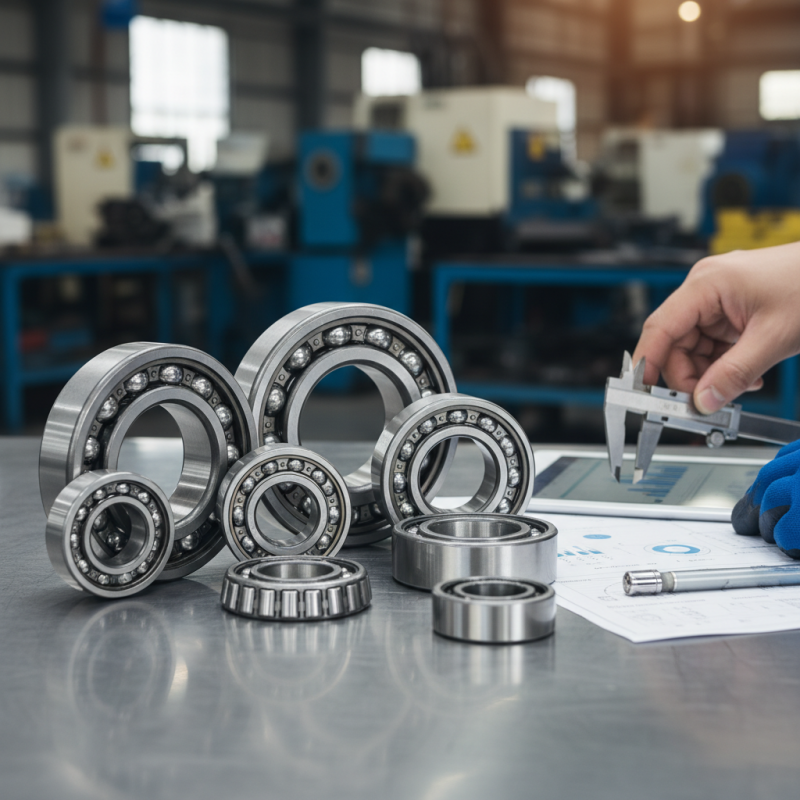
Understanding Stainless Bearings: Types and Applications
When choosing stainless bearings, understanding their types and applications is crucial. Stainless bearings come in various forms, like
deep groove,
thrust, and
angular contact.
Each type serves distinct purposes. For instance, deep groove bearings are versatile and can handle radial and axial loads. They are common in many machines,
from electric motors to household appliances.
Thrust bearings, on the other hand, are designed to accommodate axial loads only. They are essential in applications like gearboxes and rotary tables.
Angular contact bearings can manage both radial and axial loads, making them ideal for high-speed applications. Their orientation allows for better stability under load,
but they require precise installation.
It's essential to consider the operating environment when selecting stainless bearings. Factors like
temperature,
moisture, and
chemical exposure can affect performance and longevity. Some users may overlook these aspects,
leading to premature failure. Always assess your specific requirements to make informed decisions. Having a clear understanding benefits not just longevity but also
overall machine efficiency.
Key Factors in Selecting Stainless Bearings for Your Needs
When selecting stainless bearings, consider various key factors to ensure optimal performance. Material quality plays a pivotal role. High-grade stainless steels, such as 440C, can provide superior corrosion resistance. Reports indicate that around 80% of bearing failures relate to material deficiencies. Therefore, choosing the right steel type is crucial.
Next, bearing design must align with specific applications. Not all stainless bearings are engineered for the same environment. For example, bearings used in marine applications require additional sealing features to fend off saltwater corrosion. Research suggests that improper sealing leads to a 25% decrease in bearing life. This calls for careful evaluation of your operational settings.
Load capacity is another significant factor. Bearings must support the load requirements without overloading. Many users overlook this detail, which can result in premature breakdowns. Statistics show that over 30% of bearings fail due to excessive load. Thus, assessing load ratings and matching them to your application sounds simple, yet it is often neglected. Balancing all these aspects can lead to more informed choices, ultimately enhancing equipment longevity and reducing costs.
Essential Tips for Choosing the Right Stainless Bearings
Material Quality and Corrosion Resistance in Stainless Bearings
Selecting high-quality stainless bearings is critical for both performance and longevity. Material quality significantly influences corrosion resistance, which is vital in many industries. According to industry reports, around 70% of bearing failures stem from inadequate corrosion resistance. This underlines the importance of choosing the right materials. Not all stainless steels are created equal; 316 stainless steel offers superior resistance compared to 304 in harsh environments.
To enhance your bearings' lifespan, consider these tips. First, verify the steel's grade. Ensure that it matches your operational conditions. Look for detailed specifications on the corrosion resistance rating of the material. If you're working in a marine or chemical environment, this factor becomes crucial. Second, inspect the bearing seals. High-quality seals prevent contaminants from entering, ultimately prolonging the bearing life.
Many overlook surface finish, another vital aspect. A smoother finish can reduce friction and wear, improving performance. Some studies indicate that a better surface finish can extend the bearing's operational life by up to 30%. However, not every application demands such precision. Reflect on your specific needs versus the suggested best practices. Thorough evaluation will lead to the best choices for your applications.
Size, Load Capacity, and Performance Ratings to Consider
Choosing the right stainless bearings involves careful consideration of
size, load capacity, and performance ratings.
Size is critical. It affects the overall fit and
functionality in your application. A report from the International Journal of Mechanical Engineering
indicates that improper sizing can lead to a reduction in efficiency by up to 20%.
This alone highlights the importance of accurate measurements.
Load capacity is another vital factor. Stainless bearings must withstand specific loads without
compromising performance or safety. Industry standards suggest
that selecting bearings with a load capacity exceeding your operational needs by at least
20% can enhance durability and reduce wear. However, some users underestimate
their requirements, potentially leading to
premature failure.
Performance ratings provide valuable insights into how bearings will perform under various
conditions. Elements like speed ratings, temperature thresholds, and lubricants play a role.
According to the American Bearing Manufacturers Association, bearings that are not
evaluated correctly may fail under high-speed operations, leading to costly downtime.
Careful attention to these aspects can prevent unexpected failures.
Maintenance Tips for Longevity of Stainless Bearings
When it comes to stainless bearings, proper maintenance is key for longevity. Regular cleaning is essential. Dust and debris can build up, causing wear. A simple wipe with a soft cloth can make a difference. If contamination occurs, consider using a specific cleaning agent. Always dry the bearing thoroughly afterward. Moisture can instigate rust, even in stainless steel.
Lubrication is another critical aspect. The right lubricant reduces friction and prolongs life. However, be cautious not to over-lubricate. Excess grease can attract dirt, leading to more harm than good. Listen for unusual noises; they may indicate a need for maintenance. Occasionally, bearings may require complete replacement if they show significant signs of wear.
Environmental factors also play a role in maintenance. If bearings operate in a humid or corrosive environment, check them more often. Proper housing can mitigate external factors. Look for signs of pitting or unusual grooves. These may indicate a deeper issue. It’s important to stay vigilant and proactive in bearing care for optimal performance.
FAQS
: Material quality affects corrosion resistance. Poor quality can lead to frequent bearing failures.
316 stainless steel offers superior corrosion resistance compared to 304 in tough conditions.
Check the steel's grade and ensure it matches your working environment, especially in marine settings.
A smoother surface reduces friction, potentially extending operational life by up to 30%.
Accurate size affects fit and efficiency; improper sizing can reduce efficiency by up to 20%.
Choose bearings with at least 20% more load capacity than your operational needs for better durability.
Unusual noises may indicate a maintenance issue or the need for replacement; inspect them promptly.
Regular cleaning is essential to prevent dust buildup; a simple wipe can greatly help.
Too much grease can attract dirt, leading to wear and possibly harming bearing performance.
Bearings in humid or corrosive settings require more frequent checks to avoid serious issues.
Conclusion
When selecting the right stainless bearing for your application, it's essential to understand the different types and their specific uses. Stainless bearings are renowned for their corrosion resistance and durability, making them ideal for various environments. Key factors to consider include material quality, which impacts the bearing's longevity and performance under load. Additionally, evaluating size, load capacity, and performance ratings ensures that the stainless bearing meets your operational requirements effectively.
Proper maintenance is crucial for maximizing the lifespan of stainless bearings. Regular inspections and lubrication can enhance their performance and prevent premature failure. By focusing on these aspects, you can ensure the selection of a suitable stainless bearing that meets your needs and performs reliably in demanding applications.
 Sill Bearing
