
Sill Bearing Sill Bearing

Essential Tips for Choosing Metal Ball Bearings?

Time:2026-07-27 Author:Sophia
0%

When selecting metal ball bearings, informed choices are essential for optimal performance. Metal ball bearings significantly influence the efficiency of machinery across various industries. According to a report by Grand View Research, the global ball bearings market is projected to reach USD 20.49 billion by 2025, driven by growth in automotive and aerospace sectors. The right bearings can enhance durability, reduce friction, and increase load capacity.

Quality matters. Choosing the wrong type can lead to machinery failures. For instance, improperly selected bearings may cause excessive wear, resulting in costly downtimes. The key is balancing cost and quality. Many suppliers offer a wide range of options, but not all meet industry standards. Conducting thorough research is critical.

Moreover, the importance of the proper materials cannot be overlooked. Different applications require specific properties. Metal ball bearings come in various grades, each with unique characteristics. Yet, it's easy to overlook these details in the selection process. Make sure to consider lubricant compatibility, load ratings, and operating environments. Understanding these factors will lead to a better, more sustainable choice in the long run.
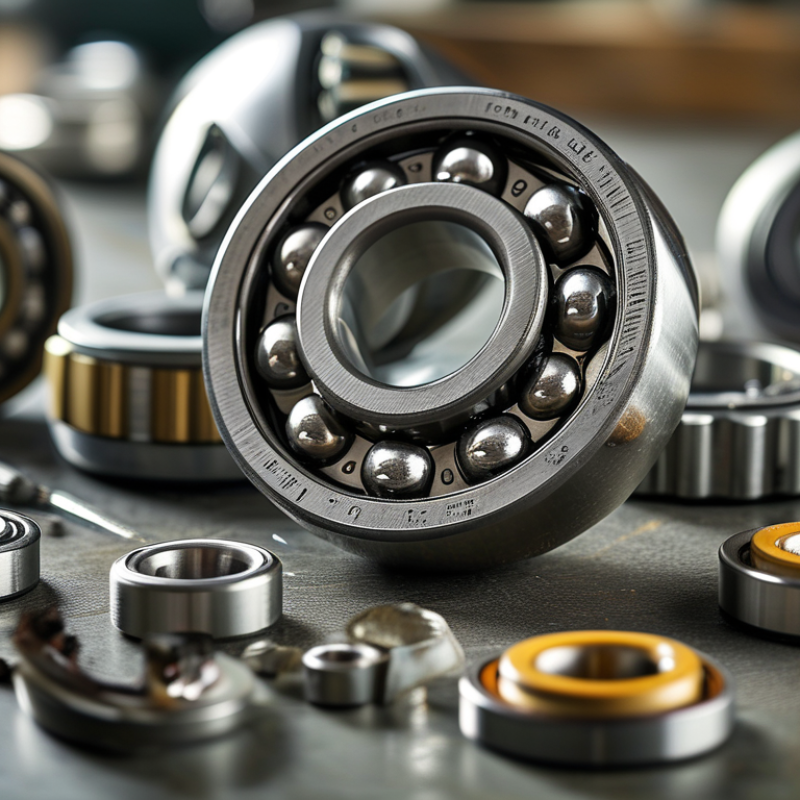
Essential Tips for Choosing Metal Ball Bearings?

Understanding the Types of Metal Ball Bearings Available on the Market

When it comes to metal ball bearings, understanding the various types available is crucial. The market offers a range of materials including stainless steel, chrome steel, and ceramic. Stainless steel bearings are popular for their corrosion resistance and strength. They account for about 60% of the ball bearing market due to their versatility. Chrome steel, known for its high-performance attributes, is often preferred in industrial applications. It provides better load capacity, but it can rust if not properly maintained.

Ceramic ball bearings have gained attention for their lightweight properties. They can run at higher speeds and temperatures compared to metal bearings. Research indicates that ceramic bearings have a lower friction coefficient, which can lead to increased efficiency in machinery. However, their cost can be prohibitive for some users. It's important to weigh the benefits against the investment. Some users have reported difficulties with installation and compatibility, which can negate their performance benefits.

Keeping in mind these aspects, selecting the right type of ball bearing becomes a nuanced decision. Not every application will require high-performance ceramic bearings, and sometimes the best choice is a reliable stainless steel option. Evaluating specific needs and potential trade-offs is vital for optimizing performance.

Key Factors Affecting the Performance of Metal Ball Bearings

When selecting metal ball bearings, several key factors deeply influence their performance. One primary consideration is the material used in the bearings. High-quality steel bearings often offer superior strength and durability, which can impact their operational life. However, not all steel is created equal. It's important to evaluate the specific composition of the steel to ensure optimal characteristics.

Another factor to consider is the bearing's load rating. This rating indicates how much weight a bearing can support without failing. If a bearing is rated too low, it may wear down prematurely. Be sure to match the load rating to your application requirements. It's also essential to examine the bearing's internal design. Features like precision ball arrangement can greatly affect friction and performance.

**Tips:** Always check compatibility between bearings and machines. Proper lubrication is vital for reducing wear. Regularly monitor for signs of degradation. These practices extend the life of your bearings and enhance performance. Keep these aspects in mind to avoid common pitfalls in bearing selection.

Essential Tips for Choosing Metal Ball Bearings

Evaluating Load Ratings and Life Expectancy of Metal Ball Bearings

When evaluating metal ball bearings, load ratings are critical. These ratings indicate how much weight a bearing can support. Many factors affect load capacity, including material and design. A poor choice can lead to premature failure. It's essential to match load ratings with your specific application. For example, heavy machinery requires bearings designed for high loads. Failing to do so can cause excessive wear.

Life expectancy is another important factor to consider. Bearings designed for high speeds often have reduced longevity under heavy loads. Regular maintenance can improve their lifespan. Ensure proper lubrication and monitor for signs of wear. This attention to detail can make a significant difference in performance.

Here are some tips for choosing the right bearing. Always check the manufacturer’s specifications. Look for detailed load ratings and life expectancy guidelines. Don't forget to consider environmental factors, like temperature and humidity. It’s advisable to consult experts in the field. Make an informed decision, as even a small oversight can lead to larger issues later.

Essential Tips for Choosing Metal Ball Bearings

Bearing Type Load Rating (Dynamic) (N) Life Expectancy (L10h) (hours) Material Common Applications
Stainless Steel 2000 30000 AISI 440C Food Processing Equipment
Chrome Steel 2500 20000 AISI 52100 Industrial Machinery
Ceramic 1500 50000 Silicon Nitride High-Speed Applications
Hybrid 1800 40000 Stainless Steel + Ceramic Automotive
Plastic 800 10000 Polymer Lightweight Applications

Materials and Coatings: Enhancing Durability and Performance

When selecting metal ball bearings, the choice of materials and coatings is critical for durability and performance. High-quality bearings often utilize stainless steel, due to its resistance to corrosion and wear. According to a report from the International Journal of Advanced Manufacturing, ball bearings made from 440C stainless steel can retain strength even under high temperatures, increasing their lifespan significantly.

Coatings also play a vital role in enhancing the performance of bearings. For instance, ceramic-based coatings can reduce friction by up to 40%, as highlighted in findings by the Metal Coating Association. These coatings create a smooth surface that minimizes wear over time, which is essential for applications in high-load environments. Some coatings can improve hardness, but they are not infallible. In some cases, they may chip under extreme stress, leading to failure if not chosen carefully.

Additionally, it’s important to consider how different environments affect the performance of bearings. For example, bearings exposed to extreme moisture may suffer faster deterioration even with protective coatings. Industry data suggests that 30% of bearing failures are related to inadequate material or coating choices. This statistic emphasizes the importance of making informed decisions when selecting the right materials and coatings for specific applications.

The Importance of Precision in Selecting Metal Ball Bearings

Choosing metal ball bearings requires careful attention to precision. The right bearing can significantly impact machinery performance. According to industry reports, approximately 10% of bearing failures stem from poor selection. This emphasizes the importance of understanding specifications like material type, diameter, and load capacity.

Precision is crucial when selecting bearings. For instance, slight variations in size can lead to misalignments. These misalignments often result in increased wear and tear. A study by a leading engineering firm highlights that 20% of all downtimes in production stem from equipment failure related to bearings. Selecting the correct tolerances can minimize these issues.

It’s essential to consider the working environment too. Factors like temperature and humidity affect bearing performance. Neglecting to evaluate these conditions can lead to premature failure. Many engineers recommend testing prototypes in real-world conditions before making final selections. A thoughtful approach to selection will help in achieving long-term reliability.

FAQS

: What are the common materials used for metal ball bearings?

: Common materials include stainless steel, chrome steel, and ceramic. Each has unique properties and benefits.

Why are stainless steel bearings popular?

They offer corrosion resistance and strength, accounting for about 60% of the market due to their versatility.

What is a key advantage of ceramic ball bearings?

They are lightweight and can operate at higher speeds and temperatures, leading to greater efficiency.

What should one be cautious about when using ceramic bearings?

They can be expensive, and users may face installation challenges that can impact performance.

How does bearing load rating influence performance?

A low load rating can cause premature wear. Matching the load to application requirements is essential.

Why is precision important in selecting bearings?

Slight size variations can lead to misalignments, increasing wear and causing equipment failures.

What environmental factors affect bearing performance?

Temperature and humidity can significantly impact how bearings operate and their longevity.

What maintenance practices can extend bearing life?

Proper lubrication and regular monitoring for wear signs are critical for effective performance.

How often do poor bearing selections lead to machinery failure?

Approximately 10% of bearing failures are due to improper selection, highlighting the need for careful consideration.

What is a common pitfall when selecting bearings?

Neglecting compatibility between bearings and machinery can lead to decreased performance and increased costs.

Conclusion

When selecting Metal Ball Bearings, it's crucial to understand the various types available on the market, as each type serves different applications and performance requirements. Key factors such as load ratings and overall life expectancy play significant roles in determining the right choice for specific uses. Additionally, the materials used and any coatings applied can greatly enhance the durability and performance, ensuring the bearings operate efficiently under different conditions.

Precision in selection is essential, as even minor discrepancies can lead to significant issues in machinery performance. By evaluating these critical factors—types of bearings, performance-impacting elements, load ratings, materials, and the importance of precision—one can make informed decisions that optimize functionality and longevity of Metal Ball Bearings in various applications.

Sophia

Sophia

Sophia is a dedicated marketing professional with an exceptional depth of knowledge about her company's products and services. With a keen understanding of market trends and customer needs, she crafts insightful blog posts that not only inform but also engage readers, enriching the company’s online......