
Sill Bearing
Stainless bearings are critical components in various industrial applications. They offer durability and resistance to corrosion, making them ideal in harsh environments. Proper selection of a stainless bearing is crucial for optimal performance and longevity.
Choosing the right stainless bearing involves understanding its types, materials, and specifications. Not all stainless bearings are created equal. Some may perform better under specific loads or speeds. It's essential to consider the operating conditions and requirements.
Many users overlook critical factors such as lubrication and maintenance. A neglected stainless bearing can lead to failure. Taking time to evaluate your needs ensures a more reliable choice. Remember, a well-chosen stainless bearing enhances efficiency and reduces downtime.
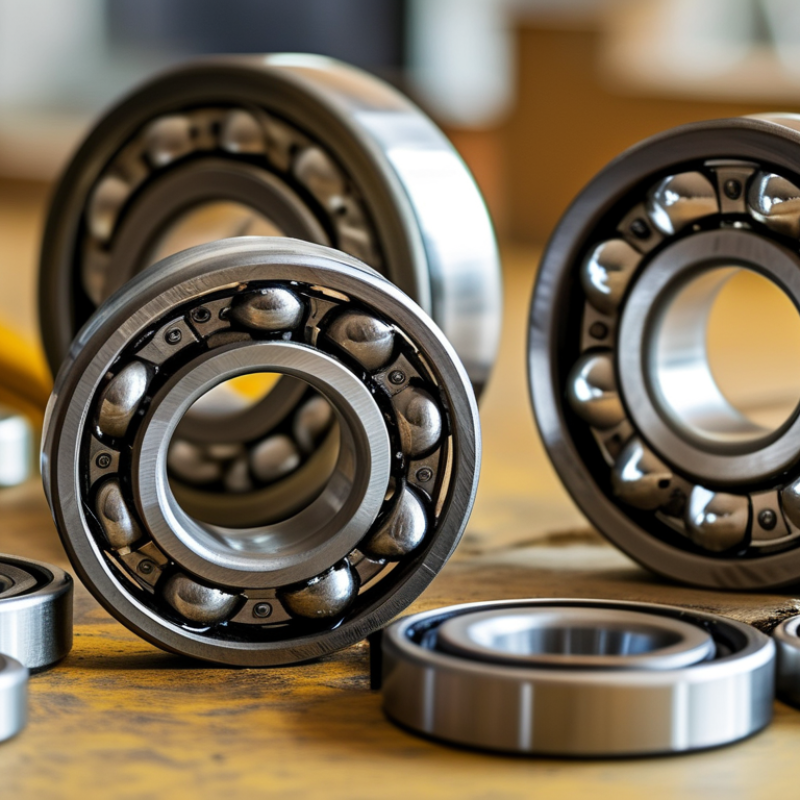
Stainless bearings are crucial components in many industrial applications. They offer resistance to corrosion and wear, making them ideal for harsh environments. According to a report by the International Journal of Advanced Manufacturing Technology, stainless steel bearings can last up to three times longer than standard carbon steel bearings under similar conditions. This durability stems from the self-lubricating properties and the ability to withstand extreme temperatures.
When selecting a stainless bearing, consider the operating environment. Assess the temperature, humidity, and exposure to chemicals. High temperatures may require specific types of stainless steel. Additionally, load capacity and speed ratings are essential factors to evaluate. The bearing's life depends significantly on how well it is matched to its application.
**Tips:** Choose a bearing with a higher load rating than needed. This can provide a margin for unexpected stresses. Regular maintenance checks can prevent premature failure. Even the best bearings need monitoring, particularly in demanding situations. It’s worth noting that not all stainless bearings are created equal; their composition and manufacturing processes can affect performance. Choose based on specific needs rather than assumptions.
Stainless steel bearings are essential in various industries due to their unique properties. The ability to resist corrosion is one key feature. In environments exposed to moisture or chemicals, these bearings perform exceptionally well. According to the bearing industry report by the International Mechanical Engineering Association, over 70% of stainless steel bearings demonstrate improved longevity in corrosive settings.
Another crucial property is their strength-to-weight ratio. Stainless steel bearings maintain structural integrity while remaining lightweight. This balance is vital in applications like aerospace and automotive, where every gram matters. Research indicates that using stainless steel can enhance the operating life of bearings by nearly 40%.
However, not all stainless steel bearings are created equal. It's essential to assess specific grades, such as AISI 440C, often favored for high performance. Yet, misconceptions exist regarding their costs and installations. Many overlook the initial investment's long-term savings due to lower maintenance needs. Additionally, the selection process requires careful consideration of factors like load capacity and RPM ratings, which can complicate choices. It’s advisable to consult with industry experts for tailored recommendations.
When it comes to stainless bearings, understanding the different types is crucial for selection. Deep groove ball bearings are commonly used in various applications due to their versatility. They can handle both radial and axial loads. This makes them suitable for motors, machinery, and general equipment.
Another type is the stainless steel thrust bearing. These bearings are designed to support axial loads. They are often found in applications like gearboxes and automotive assemblies. Their ability to withstand high loads makes them reliable choices.
Tips for selecting the right bearing: Consider the environment where the bearing will be used. If it's exposed to moisture or corrosive elements, opt for high-quality stainless options. Additionally, think about the load types and speeds involved in your application. Research can make a big difference.
Ceramic hybrid bearings are also gaining popularity. These incorporate ceramic balls with stainless steel rings. They offer lower friction and increased longevity. However, they might not fit every application. Evaluate your specific needs before deciding. Remember that some choices may require compromise. Always weigh performance against cost.
When selecting stainless bearings, several key factors should be considered. First, consider the operating environment. Is it humid or dry? High temperatures or corrosive conditions? Each environment requires different materials for optimal performance. For example, bearings exposed to saltwater need special corrosion resistance.
Next, think about the load and stress requirements of your application. Some bearings are designed for high load-carrying capacities. Others may not handle heavy loads well. It's essential to match the bearing’s specifications with your needs. Look at factors like speed ratings and load ratings for accurate assessment.
Finally, take into account maintenance and lubrication. Some stainless bearings require regular lubrication, while others are sealed and maintenance-free. This choice affects the bearing’s longevity and reliability. Always weigh the pros and cons of each option. It’s essential to reflect on how your decision aligns with the demands of your application. Mistakes in bearing selection can lead to costly failures.
Stainless steel bearings offer durability and corrosion resistance. However, maintaining them properly is essential for longevity. Regular inspections help detect early signs of wear. A study from the Bearing Research Institute indicates that regular maintenance can extend bearing life by up to 45%.
To ensure optimal performance, keep bearings clean. Dirt and contaminants can lead to premature failure. Use a suitable cleaning solution and a soft cloth. Implement a lubrication schedule based on the operating conditions. Too little grease can cause friction, while excess grease can attract dirt.
Humidity and temperature are other crucial factors. High humidity can lead to rust formation. Always ensure that bearings are stored in a dry place. If a bearing shows signs of rust, it may need replacement. A proactive approach to maintenance can significantly reduce downtime and enhance performance. However, bear in mind that not all bearings are created equal. Some may need more frequent maintenance than others.
| Feature | Description | Maintenance Tips |
|---|---|---|
| Material | Stainless steel is resistant to corrosion and can withstand harsh environments. | Regularly clean to prevent buildup of contaminants. |
| Load Capacity | Depends on dimensions and quality; choose appropriately for application. | Monitor load conditions and adjust as necessary to prevent overload. |
| Temperature Range | Can operate in a wide range, typically -20°C to 120°C. | Check bearing for heat damage regularly, especially in high-temperature environments. |
| Lubrication Type | Grease or oil; choose based on speed and load requirements. | Establish a lubrication schedule based on operating conditions. |
| Sealing Options | Contact seals and shields available to protect against contaminants. | Inspect seals regularly to ensure they are intact and effective. |
: Stainless steel bearings resist corrosion and have a high strength-to-weight ratio. They perform well in harsh environments.
Over 70% of stainless steel bearings last longer in corrosive settings. Regular maintenance enhances their lifespan even more.
Assess the grade of the bearing, such as AISI 440C. Consider load capacity and RPM ratings for proper selection.
Maintenance is crucial. Regular inspections and cleaning can extend bearing life by up to 45%. Neglect can lead to failure.
Keep bearings clean using suitable cleaning solutions and soft cloths. Avoid abrasive materials that can cause damage.
Implement a lubrication schedule based on conditions. Too much grease attracts dirt, while too little causes friction.
High humidity can cause rust. Store bearings in dry places and check regularly for signs of corrosion or damage.
No, they vary in performance. Some may require more frequent maintenance than others based on their specific applications.
Many people underestimate the long-term savings from lower maintenance costs. Initial investments can pay off over time.
Regularly inspect and maintain bearings. A proactive approach minimizes downtime and maximizes performance effectiveness.
Stainless bearings are specialized components made from stainless steel, designed to minimize corrosion and wear in various applications. Their key properties include excellent resistance to rust, durability, and the ability to operate smoothly in harsh environments. The article outlines various types of stainless bearings, such as deep groove ball bearings and angular contact bearings, each suited for specific applications ranging from marine equipment to food processing machinery.
When selecting the right stainless bearing, factors like load capacity, speed ratings, and environmental conditions should be considered. Additionally, proper maintenance practices, such as regular lubrication and cleaning, can significantly extend the lifespan and performance of stainless steel bearings. Understanding these elements can help ensure optimal operation and reliability in applications where stainless bearings are utilized.
