Selecting the right small ball bearings is vital for numerous applications, from industrial machinery to precision instruments. The global ball bearing market is projected to grow at a CAGR of 5.2% from 2021 to 2026, highlighting their increasing importance. Small ball bearings play a crucial role in enhancing efficiency and reducing friction. This makes them invaluable in sectors like automotive, aerospace, and robotics.
Understanding the specific requirements for your project is fundamental. Factors such as load capacity, material type, and size influence performance. For instance, ceramic bearings offer weight advantages, while stainless steel bearings provide durability. Many manufacturers report that improper selection leads to equipment failure. This emphasizes the importance of informed decision-making.
Professional guidelines suggest evaluating temperature ranges and lubrication needs as part of the selection process. Choosing the wrong bearing can result in costly downtime. Hence, it's essential to reflect on your project's demands and seek expert advice when necessary. Small ball bearings are small yet critical components that require thorough understanding and precision in selection.
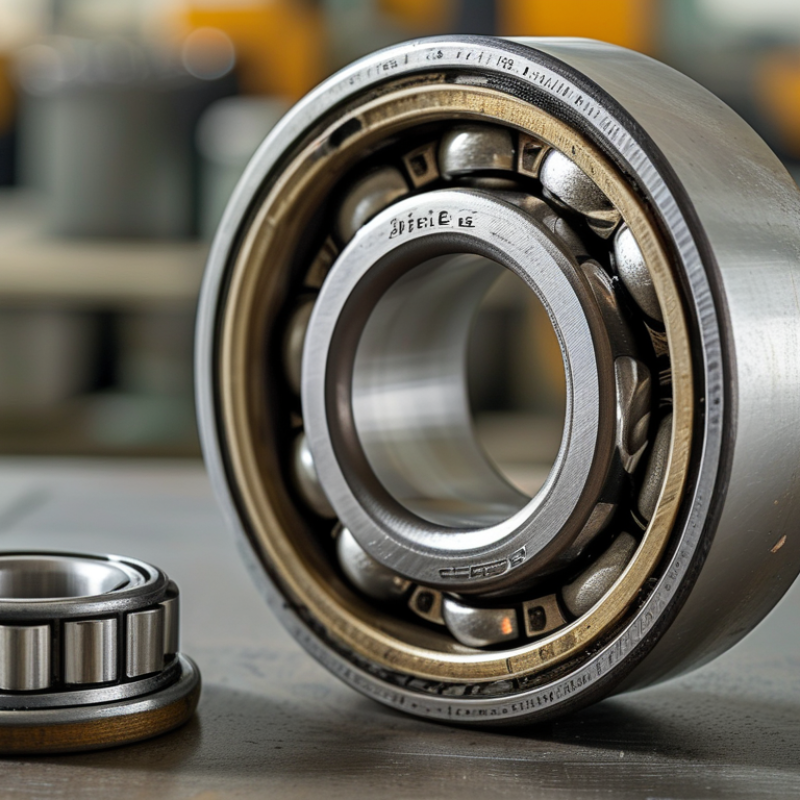
Factors to Consider When Selecting Small Ball Bearings
Selecting small ball bearings requires careful consideration of several factors. The load capacity is crucial; bearings must be able to support the weights they will encounter. According to industry reports, bearings used in high-speed applications often need a higher load rating due to increased friction and heat generation. Understanding the operating conditions is key. For example, if a bearing will work in a humid environment, corrosion-resistant materials should be prioritized.
Another important factor is the bearing's clearance and fit. Precision in these areas affects performance and longevity. A misfit could lead to premature wear or failure. Data indicates that nearly 30% of bearing failures are linked to improper installation or sizing. Additionally, lubrication methods must match the application requirements. Bearings that operate in extreme temperatures may need specialized lubricants to function effectively.
User requirements can differ significantly. Some may prioritize lower cost while others seek durability. It’s vital to assess the application thoroughly. Empirical evidence suggests that nearly 20% of users often underestimate the importance of bearing selection, leading to suboptimal performance. Balancing performance with budget constraints can be a challenging task.
Types of Small Ball Bearings and Their Applications
When it comes to small ball bearings, understanding their types and applications is crucial. They are often categorized based on design and material. Common types include deep groove, angular contact, and miniature ball bearings. Each type serves different applications across various industries.
Deep groove ball bearings are versatile. They can manage both radial and axial loads, making them ideal for motors and fans. Angular contact bearings, on the other hand, are designed for high-speed applications. They perform best when combined in pairs, helping in precision alignment. Miniature ball bearings are compact, suitable for intricate devices like cameras and smartphones.
Tips: Always consider the load requirements. Overloading bearings can lead to premature failure. Moreover, pay attention to lubrication needs. Proper lubrication extends the lifespan of your bearings significantly. Choosing the right material is just as important. Stainless steel offers corrosion resistance, while ceramic materials provide lower friction and higher speed capabilities.
Material Options for Small Ball Bearings
When selecting small ball bearings, material options play a crucial role. The most common materials include stainless steel, chrome steel, and plastic. Stainless steel is favored for its corrosion resistance. A report by the American Bearing Manufacturers Association indicates that around 63% of small bearings produced utilize stainless steel. This choice enhances durability, especially in humid environments.
Chrome steel, often used in high-speed applications, offers superior hardness and can handle heavier loads. Steel bearings typically achieve surface hardness levels up to 60 HRC. However, they may not be ideal for chemical exposure. On the other hand, plastic bearings are lightweight and resistant to various chemicals, but they may not endure high temperatures. A study in the Journal of Materials Science suggests that while plastic offers lower friction, their load capacity is significantly less than that of metal counterparts.
Choosing the right material demands careful consideration. Each option has pros and cons depending on the application. For example, in an automotive context, a steel bearing may outperform plastic in terms of strength but could fail if exposed to acidic environments. Proper evaluation of factors like temperature, load, and environment is essential to making informed decisions.
Understanding Tolerance and Accuracy in Ball Bearings
When selecting small ball bearings, understanding tolerance and accuracy is crucial. Tolerance refers to the allowable limits of variation in a bearing's dimensions. Knowing the tolerance helps in determining the fit and function of the bearing in your application. Each bearing has specific tolerance ratings. These ratings can greatly affect performance. A tight tolerance can enhance precision but may lead to increased wear.
Accuracy is another fundamental aspect. It measures how closely a bearing's dimensions align with standards. Higher accuracy often results in less friction, leading to smoother operation. However, achieving high accuracy can be costly. Sometimes, a balance is needed between cost and performance.
It’s essential to consider specific use cases. Different applications may require varying tolerance and accuracy levels. For instance, high-speed machinery may demand tighter tolerances. Yet, less critical applications might not. Understanding these needs allows for better decisions. Achieving the right balance requires careful consideration and sometimes even trial and error. Always reassess your choices based on the application's performance and longevity.
Maintenance Tips for Prolonging the Life of Small Ball Bearings
Maintaining small ball bearings is crucial for optimal performance and longevity. According to the Precision Bearings Market Report, proper maintenance can extend bearing life by up to 40%. Regular lubrication is key. Dry or insufficient lubrication leads to increased friction and wear. A simple habit of routine checks can make a difference.
Keeping bearings clean is equally important. Contaminants can cause pitting and surface damage. Using compressed air or soft brushes can help in removing debris. However, over-cleaning can introduce new contaminants, so find a balance.
Monitoring the operating environment is essential. High temperatures can accelerate wear, while moisture can lead to rust. A study by the Rolling Element Bearings Association shows that nearly 30% of bearing failures come from environmental factors. Regular inspections and environmental controls can mitigate these risks. Consider these factors seriously. Making small adjustments now can save costs later.
How to Select the Best Small Ball Bearings for Your Needs? - Maintenance Tips for Prolonging the Life of Small Ball Bearings
| Bearing Type |
Material |
Load Capacity (N) |
Max RPM |
Application |
| Miniature Ball Bearing |
Stainless Steel |
80 |
15000 |
Robotics |
| Deep Groove Ball Bearing |
Chrome Steel |
1200 |
30000 |
Electric Motors |
| Angular Contact Bearing |
Ceramic |
600 |
20000 |
Machine Tools |
| Thrust Ball Bearing |
Plastic |
150 |
10000 |
Appliances |
| Self-Aligning Ball Bearing |
Bronze |
400 |
12000 |
Agricultural Machinery |
FAQS
: Common types include deep groove, angular contact, and miniature ball bearings. They serve different applications across various industries.
They can handle both radial and axial loads. This makes them ideal for motors and fans.
They are designed for high-speed applications. When paired, they help with precision alignment.
They are compact and suitable for intricate devices like cameras and smartphones.
Proper lubrication significantly extends bearing life. Insufficient lubrication increases friction and wear.
Keep bearings clean and regularly lubricated. Monitor the operating environment for excessive heat and moisture.
Tolerance refers to allowable limits of variation in a bearing's dimensions. It affects fit and function.
Higher accuracy means less friction and smoother operation. However, it can be costly and requires careful consideration.
Regular checks, cleanings, and appropriate lubrication can extend their life by up to 40%.
Tight tolerances may be necessary but could lead to increased wear. Balance cost and performance carefully.
Conclusion
When selecting small ball bearings, several critical factors must be considered to ensure optimal performance for specific applications. Key aspects include understanding the types of small ball bearings available, such as deep groove, angular contact, and thrust bearings, each suited for different operational requirements. Additionally, the material options, including stainless steel, chrome steel, and ceramic, play a significant role in the bearings' durability and resistance to corrosion.
It's essential to comprehend tolerance and accuracy levels to meet the desired specifications in your projects. Regular maintenance, including lubrication and inspection, can significantly prolong the life of small ball bearings, ensuring smooth operation over time. By carefully considering these factors, you can select the best small ball bearings tailored to your needs, enhancing the efficiency and reliability of your machinery.
 Sill Bearing
