
Sill Bearing Sill Bearing

What are Metal Ball Bearings and How to Choose the Right One?

Time:2026-06-10 Author:Amelia
0%

Metal ball bearings play a crucial role in machinery and everyday applications. According to Dr. Emily Harmon, a leading expert in mechanical engineering, "The right metal ball bearing can enhance efficiency and extend equipment life." This statement underscores the importance of selecting the appropriate bearings for various industrial needs.

Metal ball bearings reduce friction and improve performance. They are essential for applications in automotive, aerospace, and robotics. However, not all ball bearings are created equal. Choosing the wrong type can lead to premature failures and costly downtime. There's often a lack of awareness about the specifications necessary for optimal performance.

Customization is key. Understanding load capacity, material composition, and operating conditions is vital. Many overlook these details, which can lead to crucial mistakes. As industries evolve, so do the requirements for ball bearings. Reflecting on choices can lead to better decisions.
What are Metal Ball Bearings and How to Choose the Right One?

What Are Metal Ball Bearings?

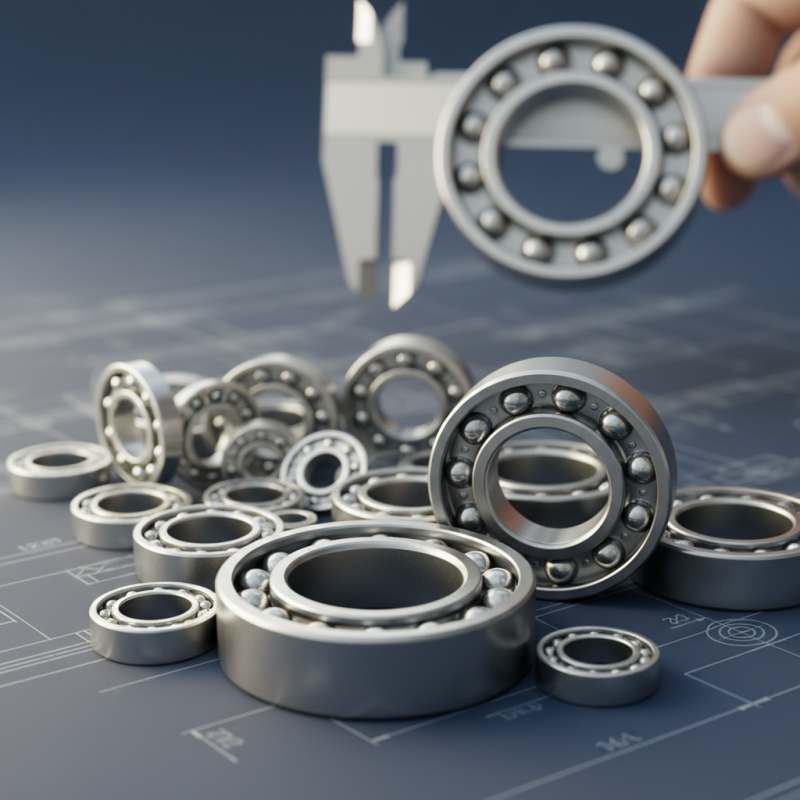
Metal ball bearings are precision components used to reduce friction in machinery. They consist of smooth, spherical balls housed between two races. This design allows for smooth rotational movement. Metal bearings are commonly found in various applications, from appliances to automotive parts.

These bearings are vital in ensuring efficiency and durability. They can withstand heavy loads and high speeds, making them suitable for demanding conditions. Choosing the right type is crucial. Factors to consider include size, load capacity, and material. Steel bearings, for example, offer strength and are cost-effective.

However, selecting the right bearing isn’t always straightforward. Users may overlook specific requirements, leading to premature failures. Improper installation can also affect performance. Users should carefully assess their needs and consult experts if necessary. Tracking wear and tear is essential for maintenance. Regular checks can prevent larger issues down the line. Understanding metal ball bearings ensures optimal use in any project.

Types of Metal Ball Bearings and Their Uses

Metal ball bearings are essential components in various machinery and devices. They help reduce friction between moving parts, improving efficiency and longevity. Different types of metal ball bearings exist, each designed for specific applications.

One common type is the deep groove ball bearing. This type accommodates radial and axial loads effectively. It is widely used in electric motors, automotive applications, and household appliances. Another type is the angular contact ball bearing. This design allows for higher speed and precision. You often find it in gearboxes and high-performance machinery.

Choosing the right metal ball bearing involves understanding these types. Consider the load capacity, speed requirements, and environmental factors. Sometimes, a standard bearing may not fit perfectly. In those cases, custom solutions might be necessary. Engaging with industry experts ensures the best choice for your needs. Always keep in mind the specific demands of your application.

What are Metal Ball Bearings and How to Choose the Right One?

Bearing Type Material Typical Applications Load Capacity (lbs) Speed Rating (RPM)
Deep Groove Ball Bearing Chrome Steel Electric Motors, Gearboxes 500 - 2000 3000 - 15000
Angular Contact Ball Bearing Stainless Steel Spindles, High Speed Applications 300 - 1500 10000 - 40000
Self-Aligning Ball Bearing Chrome Steel Agricultural Equipment, Conveyors 400 - 1200 2000 - 10000
Thrust Ball Bearing Stainless Steel Automotive, Machinery 200 - 800 5000 - 15000

Key Factors to Consider When Choosing Metal Ball Bearings

Choosing the right metal ball bearing is a crucial decision. A few key factors influence this choice. The first factor is the load capacity. Bearings must handle the expected weight and stresses without failure. According to industry reports, incorrect load ratings can lead to premature failure in 30% of applications.

Material selection is another important aspect. Stainless steel is common, but special alloys may be needed for harsh environments. The average lifespan of bearings made from high-quality materials can reach over 50,000 hours. However, improper material choice can significantly reduce this lifespan.

Furthermore, precision plays a role in performance. Precision grades can affect the fitting and movement within machinery. High-precision bearings often minimize friction and wear, improving overall efficiency. Yet, the complexity and cost can be daunting. Many users overlook these aspects and later face operational issues. Understanding these key factors can ensure better performance and longevity for applications relying on metal ball bearings.

How to Properly Maintain Metal Ball Bearings for Longevity

Proper maintenance of metal ball bearings is crucial for ensuring their longevity. Regular inspection is essential. Check for signs of wear, rust, or debris. Cleaning should be part of your routine. Use a light degreaser to maintain optimal performance. Ensure the area around the bearings is free from dust.

Lubrication is key. Use the right type of lubricant to reduce friction. Over-lubricating can attract dirt. Under-lubricating can lead to increased wear. It’s a common mistake to forget this step. Frequent lubrication checks can prevent failures. Timing is important; check based on usage frequency.

Environmental factors also play a role. High humidity or extreme temperatures can affect performance. Store bearings in a dry place. Consider using protective seals. Even with care, bearings won't last forever. Learn to identify when they need replacing. Regular maintenance can create a balance between function and durability. Adjust your practices based on specific conditions.

Common Applications of Metal Ball Bearings in Various Industries

Metal ball bearings are essential components in various industries. They minimize friction between moving parts, enhancing efficiency and durability. Common applications include automotive, aerospace, manufacturing, and robotics. In the automotive sector, for instance, ball bearings enable smoother operation of engines and wheels, significantly improving performance.

In aerospace, metal ball bearings are vital for aircraft performance. According to a recent market analysis, the global aerospace bearings market is projected to reach $9.2 billion by 2026. This growth underscores the crucial role of these bearings in ensuring safety and reliability in flight. In manufacturing, they enhance the operation of machinery, leading to increased production rates.

Tips: When selecting metal ball bearings, consider load capacity and environmental conditions. Choose materials that suit the operating temperature and exposure to moisture. Regular maintenance can prolong their lifespan and improve performance. Pay attention to signs of wear. Early detection can prevent more significant issues later on.

Common Applications of Metal Ball Bearings in Various Industries

FAQS

: What are metal ball bearings used for?

: Metal ball bearings reduce friction in machinery, improving efficiency and durability in various applications.

How do I choose the right metal ball bearing?

Consider size, load capacity, material, and specific application needs to select the right bearing type.

What are common types of metal ball bearings?

Common types include deep groove and angular contact ball bearings, each suited for specific applications.

Why is maintenance important for metal ball bearings?

Regular maintenance enhances bearing longevity, preventing premature failures and ensuring optimal performance.

How often should I inspect metal ball bearings?

Inspect bearings regularly for wear, rust, or debris, adjusting frequency based on usage conditions.

What lubrication practices should I follow?

Use proper lubricant, avoiding over or under-lubrication to maintain balance and performance.

Can environmental factors affect ball bearing performance?

Yes, humidity and temperature impact bearings. Store them in dry areas and use protective seals when necessary.

How do I know when to replace metal ball bearings?

Learn to identify signs of wear. Regular checks help determine when replacements are needed.

What mistakes should I avoid with ball bearing installation?

Common mistakes include overlooking specific requirements and improper installation, both leading to performance issues.

Are custom solutions sometimes necessary for ball bearings?

Yes, a standard bearing may not fit all applications. Custom solutions may be needed for specific demands.

Conclusion

Metal ball bearings are precision-engineered components that facilitate smooth movement between parts by reducing friction. Understanding the different types of metal ball bearings, from standard to specialized variants, is crucial for selecting the appropriate one for specific applications. Key factors to consider include load capacity, material composition, and operating environment, which all influence performance and durability.

To ensure the longevity of metal ball bearings, proper maintenance practices such as regular lubrication and inspection for wear are essential. These components find widespread use across various industries, including automotive, aerospace, and manufacturing, where they play a vital role in the efficiency and reliability of machinery. Choosing and maintaining the right metal ball bearings is, therefore, critical for optimizing operational performance and minimizing downtime.

Amelia

Amelia

Amelia is a seasoned marketing professional with a wealth of expertise in our company’s core offerings. With an unwavering passion for driving growth and innovation, she plays a pivotal role in shaping our marketing strategies and enhancing brand visibility. A key aspect of her responsibilities......