
Sill Bearing Sill Bearing

How to Choose the Best Deep Groove Roller Bearing from China?

Time:2026-11-11 Author:Liam
0%

Choosing the best Deep Groove Roller Bearing from China starts with checking the product name. “Deep groove” usually describes a ball bearing, while roller bearings use different designs. Some suppliers may use the phrase loosely. Confirm the bearing type, drawing, dimensions, and full designation before comparing quotations. A small naming mismatch can lead to the wrong fit.

Bearing analyst Tedric A. Harris is known for technical work on rolling-bearing analysis. A concise paraphrase—not a verbatim quotation—of the engineering discipline reflected in that work is: “Choose by actual load, speed, lubrication, and operating conditions, not by the product name alone.” Keep those factors visible when reviewing supplier recommendations. A bearing’s dimensions may match, yet its internal clearance, cage material, or load capacity may not.

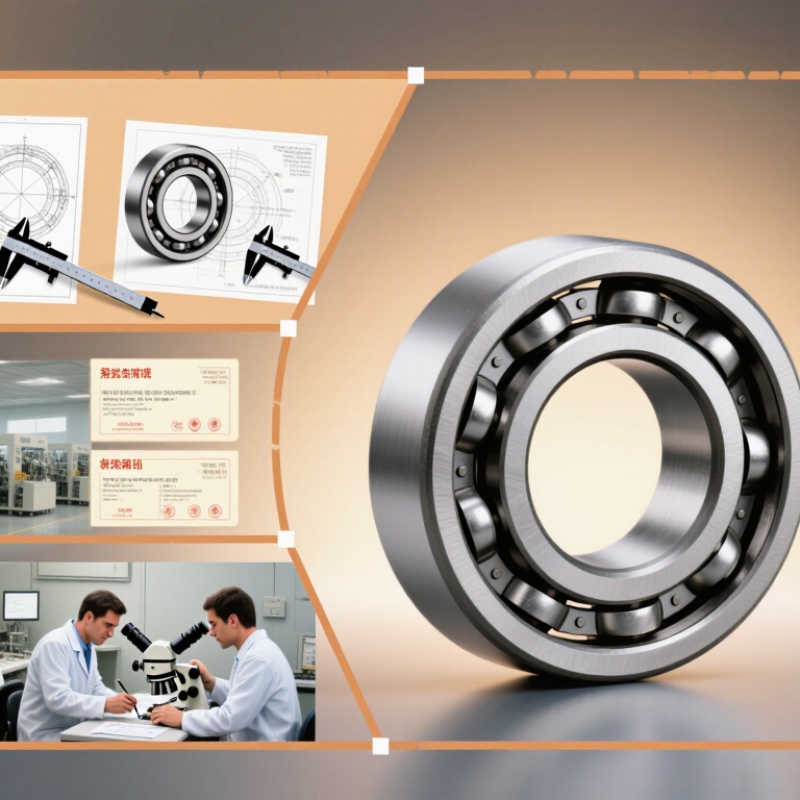
Ask Chinese manufacturers for a current catalog, material and heat-treatment details, tolerance class, lubrication options, and inspection records. Check whether batch identification and traceability are available. Request samples when the application is critical, and compare measurements against the drawing. Look closely at packaging, too: seals should be intact, and part numbers should match the documents. Price matters. So does consistency. A polished quotation is not proof of dependable production, and one sample cannot reveal every batch variation. Use the supplier’s answers, documents, and product checks together. Then select the bearing that fits the real duty—not simply the lowest offer.
How to Choose the Best Deep Groove Roller Bearing from China?

Understanding Deep Groove Bearing Types and Specifications

How to Choose the Best Deep Groove Roller Bearing from China?

Despite the title wording, “deep groove” usually describes a ball bearing, not a roller bearing. Confirm the bearing design with the supplier before comparing quotations. Start with the shaft and housing dimensions. Then check load ratings, operating speed, internal clearance, and temperature range. A bearing that fits physically may still be unsuitable under continuous load.

Common options include single-row and double-row designs, as well as open, shielded, and sealed versions. Single-row bearings suit many everyday applications, such as small motors and conveyor rollers. Double-row designs can support greater radial loads, but need enough installation space. Shields help block larger particles; seals offer better contamination protection, though they may add friction. Check the required bore, outside diameter, width, and clearance code against your equipment drawings. Small details matter.

Tips: Ask for a dimensional inspection report and material or heat-treatment records. Confirm whether quoted load ratings follow a recognized standard. For a trial order, measure the sample and listen for roughness during rotation. Price matters, but so do fit and traceability. Even careful checks can miss a problem.

How to Choose a Deep Groove Bearing: Compare Standard Dimensions

Compare bore, outside diameter, and width when checking whether a bearing fits your application. These are basic dimensions for common 6200-series deep groove ball bearings; final selection also depends on load, speed, clearance, lubrication, and sealing requirements.

Defining Load, Speed, and Operating Requirements

Define the load at the shaft, not from the machine’s nameplate alone. Record radial load, axial thrust, shock events, and how long each load lasts. An intermittent conveyor may experience brief jams, while a fan often sees steadier radial force. Small details matter. Compare the calculated equivalent load with the bearing’s dynamic rating, and check its static rating for impacts, starts, or stationary loads. Avoid adding an arbitrary safety factor; have a qualified engineer verify the assumptions, especially if misalignment or a flexible housing is possible.

Speed needs equal care. Record actual shaft rpm during startup and normal operation, then compare it with the selected deep-groove bearing’s limiting speed. That limit depends on cage design, clearance, lubricant, and heat removal, not just bearing dimensions. Specify grease or oil, relubrication intervals, ambient temperature, dust, moisture, and mounting fit. When sourcing from China, provide these conditions alongside shaft drawings and expected service hours. Request material, tolerance, and test documentation, then check it against the application. Catalog data helps, but it is not the whole answer. One operating value may still be an estimate; flag it and verify it before selection.

Assessing Chinese Manufacturers and Quality Standards

When assessing Chinese manufacturers, look beyond a polished catalogue. Ask whether the factory makes the bearing in-house or outsources key steps, such as heat treatment and grinding. A clear answer matters. Request a current quality certificate and check its scope, issuing body, and validity. ISO 9001 describes a quality-management system; it does not certify every bearing’s performance.

For a deep-groove bearing, compare drawings and inspection records against the agreed specification. ISO 492 covers rolling-bearing tolerances, while ISO 281 provides methods for calculating rating life. Ask for batch-level results, material records, and traceability from steel to finished product. Small details matter. A competent supplier should explain how it checks dimensions, noise, vibration, and surface finish, not merely promise “high precision.” If possible, review sample reports and arrange an independent inspection before shipment. A certificate can look reassuring and still leave practical questions unanswered. I would also compare several production batches; one excellent sample does not prove consistent output. Even a careful review has limits, especially when audits are remote. That is worth admitting.

How to Choose the Best Deep Groove Roller Bearing from China? - Assessing Chinese Manufacturers and Quality Standards
Assessment Dimension What to Check Relevant Standard or Evidence Practical Selection Guidance
Product identification Confirm the bearing type, dimensions, load direction, speed, and operating conditions. “Deep groove” commonly refers to a deep groove ball bearing; confirm the intended product before comparing quotations. Drawing, product specification, and applicable bearing designation. Compare like-for-like designs. Check bore, outside diameter, and width against the drawing rather than relying on a description alone.
Boundary dimensions Verify the nominal dimensions and dimensional compatibility with the housing and shaft. ISO 15 specifies boundary dimensions for radial rolling bearings; confirm the standard and series applicable to the selected bearing. Request a dimensioned drawing and inspection results for the dimensions that matter to the application.
Tolerances and accuracy Check the specified tolerance class and measured values for relevant dimensions and running accuracy. ISO 492 covers tolerances for radial rolling bearings. Classes such as Normal (often designated P0), P6, and P5 indicate different tolerance requirements. Choose the class required by the design. A tighter tolerance class is not, by itself, proof of better suitability or overall product quality.
Load ratings and service life Review the basic dynamic and static load ratings and the assumptions used for any life estimate. ISO 281 addresses dynamic load ratings and rating life; ISO 76 addresses static load ratings. Compare ratings for the same size and design. Treat calculated rating life as an estimate based on stated loads and operating conditions, not a guaranteed service life.
Material and traceability Ask for the specified ring and rolling-element material, heat-treatment requirements, and batch traceability. Material certificates, heat-treatment records, and batch or lot identification linked to the supplied product. For bearing steel such as GCr15, verify the exact material specification and certificate; do not assume that different national grades are automatically identical.
Manufacturing quality system Check whether documented controls cover incoming materials, production, inspection, nonconforming product, and corrective actions. A current ISO 9001 certificate can indicate a certified quality management system within its stated scope. Verify the certificate’s validity, scope, and issuing certification body. ISO 9001 certification is not a product certification and does not replace bearing inspection.
Inspection and test records Review inspection results for dimensions, runout, noise or vibration where specified, and other agreed product requirements. Lot-specific inspection report, test methods, measurement equipment records, and acceptance criteria agreed in the purchase specification. Request sample reports and define the sampling plan and pass/fail limits before ordering. Acceptance limits depend on bearing size, class, and application.
Lubrication and sealing Specify open, shielded, or sealed construction, lubricant type where applicable, and the expected temperature and speed conditions. Product drawing and written lubricant or seal specification. Confirm that the seal or shield arrangement and lubricant are suitable for the operating environment; these choices can affect friction, contamination protection, and speed capability.
Packaging and delivery condition Check corrosion protection, individual or bulk packaging, labeling, and handling instructions. Approved packaging specification, purchase order, and shipment inspection. Require clear lot identification and packaging that protects against moisture, contamination, and handling damage during transport and storage.

Note: Standards and acceptance limits should be confirmed for the specific bearing design and application. A standard reference alone does not establish that a particular shipment conforms; request and review product-specific documentation.

Comparing Materials, Seals, Lubrication, and Custom Options

A suitable deep groove bearing starts with its operating conditions, not a catalogue photo. Standard bearing steel suits many general-purpose applications, while stainless steel can help where moisture is frequent. Check the stated hardness, dimensional tolerance, and load rating against your shaft speed and expected radial load. Small details matter. A low-cost material choice may become expensive if corrosion or vibration shortens service life.

Seals and shields affect both protection and heat. Contact seals help keep dust and splash water out, but may add friction at higher speeds. Metal shields offer less contact and can suit cleaner, faster-running equipment. Neither option makes a bearing maintenance-free. Match the seal to the actual environment, such as fine workshop dust or occasional washdown, and confirm temperature limits in the supplier’s technical data.

Lubrication deserves the same care. Factory grease is convenient for many sealed units, but its type and fill quantity must suit speed, temperature, and duty cycle. Oil may be more appropriate in some continuously running systems. Not every upgrade helps. For a custom order from China, specify bore, outside diameter, width, clearance, cage material, seal type, and lubricant. Request drawings and inspection records, then check a sample in the real assembly. One detail is easy to miss: a small clearance change can affect noise and operating temperature. Verify it before ordering in volume.

Verifying Samples, Pricing, Delivery, and After-Sales Support

A sample should match the drawing, not just look similar. Measure bore, outside diameter, width, and radial clearance with calibrated tools. Run it under a representative load and listen for roughness or abnormal noise. Test it under load. Ask the supplier for material, heat-treatment, and inspection records linked to the sample’s batch. ISO 281 defines methods for calculating bearing rating life; use its basic dynamic load rating as a comparison point, not a guarantee of service life.

Compare quotations on the same specification. Check whether prices include packaging, inspection, freight, and tooling, and ask how changes in quantity affect unit cost. A low price can hide a different tolerance or grease fill. Request a written quote with an expiry date. For delivery, confirm production lead time, dispatch date, packing method, and shipment tracking. The World Bank’s 2023 Logistics Performance Index assessed 139 economies using measures including tracking and timeliness; these are useful questions to apply to a supplier’s shipping process.

Agree on after-sales steps before placing an order: response time, evidence needed for a claim, and replacement or credit terms. Keep sample measurements, photos, and batch details together. They make later comparisons less subjective. No checklist catches every problem. Review one batch first, and note where your own inspection process still feels thin.

FAQS

Is a deep groove bearing always a roller bearing?

No. “Deep groove” usually describes a ball bearing. Confirm the design before comparing quotations.

What dimensions should I check before ordering?

Compare the bore, outside diameter, width, and radial clearance with your equipment drawings. Small details matter.

How do single-row and double-row designs differ?

Single-row bearings suit many small motors and conveyor rollers. Double-row designs can support greater radial loads, but need more installation space.

Should I choose an open, shielded, or sealed bearing?

Shields help block larger particles. Seals offer stronger contamination protection, but may add friction. The right choice depends on your operating conditions.

How can I inspect a sample bearing?

Measure it with calibrated tools, then rotate it under a representative load. Listen for roughness or abnormal noise. It is easy to overlook a subtle problem.

What records should I request from the supplier?

Ask for dimensional inspection results and material or heat-treatment records linked to the sample’s batch. Keep photos and measurements together.

How should I compare bearing quotations?

Check that each quote uses the same specification. Confirm packaging, inspection, freight, tooling, quantity pricing, and the quote’s expiry date.

Does a load rating guarantee service life?

No. ISO 281 describes methods for calculating rating life. Use the basic dynamic load rating for comparison, not as a service-life promise.

What delivery and after-sales details should I confirm?

Ask about production lead time, dispatch date, packing, tracking, claim evidence, response time, and replacement or credit terms. Review one batch first. My inspection process may still have gaps.

Conclusion

Choosing the right Deep Groove Roller Bearing from China starts with understanding the available bearing types, dimensions, and specifications. Define the loads, operating speed, temperature, and working environment before comparing options, since these factors affect performance and service life. Clear requirements make it easier to assess whether a bearing is suitable for a particular application.

When evaluating manufacturers, review their production capabilities, quality controls, and relevant standards. Compare material choices, seals, lubrication, and customization options against your operating needs. Before placing a larger order, request samples and confirm pricing, minimum quantities, production and delivery schedules, and after-sales support. A careful comparison of technical fit, quality, and supplier communication can help you make a well-informed purchasing decision.

Liam

Liam

Liam is a dedicated marketing professional with a profound expertise in the industry, where he excels at highlighting the unique advantages of our core products. With a keen understanding of market trends and consumer needs, Liam frequently updates our company’s professional blog, providing......