
Sill Bearing Sill Bearing

How to Choose the Best Ball and Roller Bearing for Your Needs?

Time:2026-05-05 Author:Amelia
0%

Choosing the right ball and roller bearing can greatly impact your machinery’s performance. These components reduce friction and enhance operational efficiency. However, not all bearings are created equal.

Consider your specific application before making a decision. Different environments demand different types of bearings. For example, a food processing plant may require stainless steel bearings. Meanwhile, industrial settings may benefit from ceramic or hybrid options.

Understanding load capacity and speed ratings is crucial. A mismatch can lead to equipment failure. Take time to evaluate the conditions where these bearings will operate. Recognizing these details can improve reliability and extend service life. Your choice of ball and roller bearing should reflect thoughtful consideration, ultimately ensuring optimal functionality.
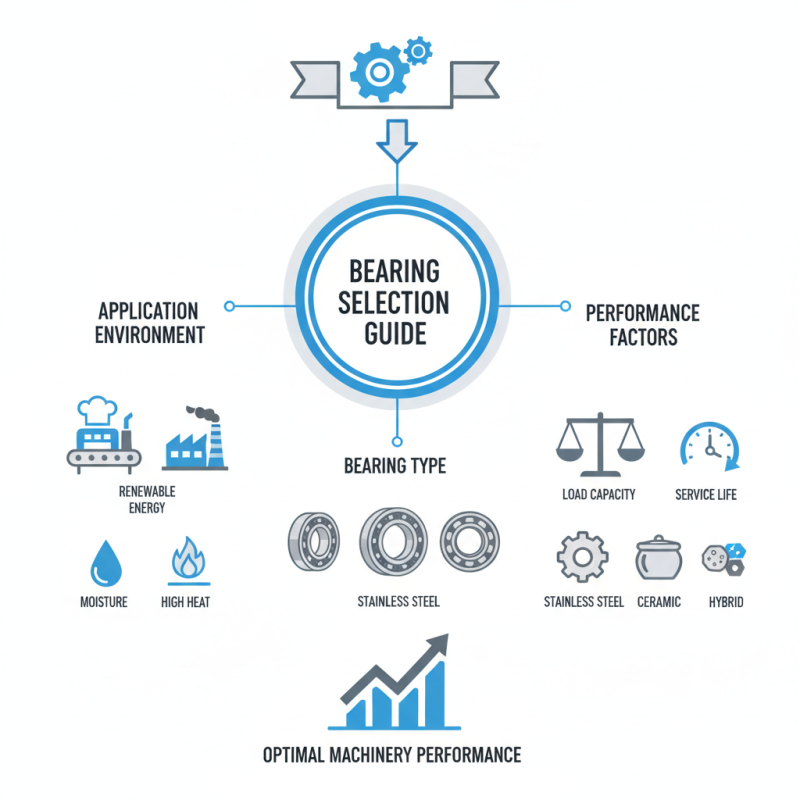
How to Choose the Best Ball and Roller Bearing for Your Needs?

Understanding the Different Types of Ball and Roller Bearings

When selecting the right ball and roller bearings, understanding their types can make a significant difference. Ball bearings are versatile and can handle both radial and axial loads. They are smaller and better for higher speeds. Roller bearings, on the other hand, distribute loads over a larger area and can support heavier loads at lower speeds. According to the latest industry report by Global Market Insights, the demand for roller bearings is expected to grow significantly, with a projected CAGR of 4.2% over the next five years.

Different applications may require specific types of bearings. For instance, deep groove ball bearings are commonly used in electric motors, while tapered roller bearings excel in automotive applications. In a recent study, about 60% of manufacturing sectors reported challenges in selecting the right bearing type for their machinery. This emphasizes the importance of understanding the nuances between bearing types. Switching from one to another can lead to inefficiencies or even machinery damage if not done properly.

Emphasizing proper lubrication can further enhance bearing performance. Miscalculating lubricant type or quantity can hinder motion. According to a survey by the Society of Tribologists and Lubrication Engineers (STLE), improper lubrication accounts for nearly 30% of bearing failures. Therefore, a thorough understanding of bearing types and their maintenance requirements is essential for optimal performance. This level of attention can prevent costly downtime and ensure smoother operations in any equipment.

How to Choose the Best Ball and Roller Bearing for Your Needs?

Bearing Type Load Capacity Speed Rating (RPM) Application Typical Materials
Deep Groove Ball Bearing Moderate High (up to 50,000) General machinery Steel, Stainless Steel
Angular Contact Ball Bearing High Medium (5,000 - 20,000) Higher speed applications Ceramic, Steel
Self-Aligning Ball Bearing Moderate Medium (2,000 - 10,000) Agricultural machinery Chrome Steel
Cylindrical Roller Bearing Very High High (up to 30,000) Heavy machinery Steel, High-performance polymers
Spherical Roller Bearing Very High Medium (5,000 - 15,000) Construction equipment Steel, Bronze

Evaluating Key Specifications for Your Bearing Needs

When selecting the best ball or roller bearing, understanding key specifications is crucial. Load capacity plays a significant role. This defines how much weight the bearing can handle without failure. Different applications require different load capacities. For instance, high-speed machines may demand bearings designed for lighter loads.


Another important specification is the bearing's speed rating. This indicates the maximum speed at which the bearing can operate safely. Exceeding this limit can lead to premature wear or even catastrophic failure. Lubrication type also matters. Some applications may necessitate grease, while others benefit from oil. The choice impacts friction, heat generation, and overall performance.


Material composition is a detail often overlooked. Steel, ceramic, and plastic offer varying strengths and corrosion resistance. Selecting the wrong material can lead to inefficiency. Don't forget about fit and tolerances. These ensure proper alignment and reduce vibration. Consistently watching these specifications can improve longevity. It's essential to reflect on your application and make informed choices. Imperfections in these decisions may lead to suboptimal performance.

Factors to Consider When Choosing Bearing Materials

When selecting bearings, material choice is crucial. The bearing material directly influences performance, durability, and cost. Each application requires specific properties. For instance, steel bearings are strong and durable, ideal for heavy loads. They resist wear but may be prone to corrosion. Choosing the right material is not straightforward.

Consider the environment in which the bearing will operate. In humid or corrosive environments, stainless steel may be preferable. Plastic bearings could be suitable for applications needing lightweight materials. Their resistance to chemicals makes them reliable in certain scenarios. However, they often lack the load capacity of metal alternatives. Balancing the trade-offs between strength and weight can be complex.

Assessing temperature tolerance is essential too. Some materials perform better at high temperatures. Others may degrade or lose performance. Testing various materials can lead to better choices. Gathering data from actual applications often reveals unexpected insights. Relying solely on theoretical performance can lead to mistakes. Exploring real-world results helps refine your bearing selection process.

Choosing the Best Ball and Roller Bearings

Assessing Load Capacity and Performance Characteristics

When selecting a ball or roller bearing, assessing the load capacity is crucial. Load capacity influences the bearing's ability to withstand weight and stress. Each bearing type has different load ratings based on design and materials. A thorough understanding of dynamic and static loads helps ensure the bearing performs effectively in its application.


Performance characteristics, such as speed limits and friction levels, also matter. These factors determine how efficiently a bearing operates. High-speed applications may require specific types of bearings to minimize wear. For heavy-duty tasks, ensuring the bearing can handle additional stress is essential.


It's important to note that every application is unique. Factors like environmental conditions and lubrication play significant roles in bearing performance. Selection errors can lead to premature failure. Therefore, research and testing are often necessary. Making informed choices will likely lead to better results in the long run.

Applications and Industry Standards for Ball and Roller Bearings

Ball and roller bearings are essential components in many industries. They reduce friction and improve efficiency in machinery. Common applications include automotive, aerospace, and manufacturing. Understanding industry standards is crucial for selecting the right bearings.

For example, ISO and ABMA set guidelines for performance and reliability. These standards ensure that bearings meet specific load capacities and lifespan expectations. Knowing these norms helps engineers make informed choices. It can prevent costly mechanical failures.

However, not all applications require the same type of bearing. Each situation calls for unique considerations. Factors like load type, speed, and environmental conditions must be evaluated. Choosing the wrong bearing can lead to unexpected issues. A thorough assessment is vital to avoid regret later.

FAQS

: What is the importance of load capacity in bearings?

: Load capacity indicates how much weight a bearing can handle without failing. Different applications need different load capacities.

How does speed rating affect bearing performance?

The speed rating shows the maximum operational speed. Operating beyond this can cause wear or possible failure.

What should I consider when choosing lubrication for bearings?

Lubrication type affects friction and heat generation. Some applications require grease, while others work better with oil.

Why is material composition significant in bearing selection?

Material affects strength, durability, and corrosion resistance. Choosing the wrong material may lead to inefficiencies in performance.

How does the operating environment influence bearing material choice?

In humid or corrosive settings, stainless steel may be better. Plastic bearings work well where weight and chemical resistance matter.

What role do temperature tolerance and testing play in bearing selection?

Some materials fail at high temperatures. Testing materials in real applications helps find better, more reliable choices.

Why are industry standards relevant for bearing selection?

Standards set by organizations ensure performance and reliability. They help engineers avoid costly mechanical failures.

What happens if the wrong bearing is chosen?

Choosing the wrong bearing can lead to unexpected issues, like mechanical failure or suboptimal performance in applications.

How can assessing fit and tolerances improve bearing performance?

Proper fit ensures alignment and reduces vibration. This can enhance longevity and overall functionality of the bearing.

Conclusion

When selecting the best ball and roller bearing for your specific applications, it is essential to first understand the different types available. Ball and roller bearings come in various designs and configurations, each suited for different operational requirements. Evaluating key specifications such as load capacity, speed ratings, and thermal limits is crucial to ensure optimal performance.

Additionally, factors such as bearing materials play a significant role in durability and resistance to wear and corrosion. Assessing the load capacity and understanding performance characteristics will aid in determining the most appropriate bearing for your needs. Lastly, familiarizing yourself with industry standards and common applications can provide further insights into selecting the right ball and roller bearing to enhance reliability and efficiency in machinery operations.

Amelia

Amelia

Amelia is a seasoned marketing professional with a wealth of expertise in our company’s core offerings. With an unwavering passion for driving growth and innovation, she plays a pivotal role in shaping our marketing strategies and enhancing brand visibility. A key aspect of her responsibilities......