 Sill Bearing
Sill Bearing
Sill Bearing
Choosing Steel Ball Bearings for global sourcing requires more than comparing unit prices. The right choice must fit the machine, operating environment, and supply chain. A bearing that looks identical may perform differently under heavy loads, vibration, moisture, or poor lubrication.
Robert Errichello, a recognized bearing-reliability engineer, states, “Lubrication is the most important factor in bearing life.” His point matters during supplier evaluation. Buyers should examine load ratings, steel grade, internal clearance, sealing design, surface finish, and grease compatibility. Common options include chrome steel 52100 for general applications and stainless 440C for corrosive environments. Each choice has limits.
Small details matter.
A serious global sourcing process also checks ISO 9001 certification, material traceability, inspection records, batch consistency, and packaging quality. Ask suppliers for dimensional reports, hardness data, and fatigue-life evidence. Test samples under realistic speed, temperature, and load conditions. Do not rely only on a polished catalogue.
Experience often reveals hidden risks. A container may arrive on time, yet bearings can suffer from moisture, shock, or inadequate rust protection. A low quotation may also exclude testing, replacement support, or clear technical communication. This approach is not flawless. Specifications can be incomplete, and laboratory results may not represent actual factory conditions.
The goal is a reliable decision, not the cheapest invoice. By combining engineering judgment, supplier audits, documented testing, and careful follow-up, purchasing teams can select Steel Ball Bearings with greater confidence. Reflection remains necessary. Even a trusted supplier should be reviewed when applications, volumes, or operating conditions change.
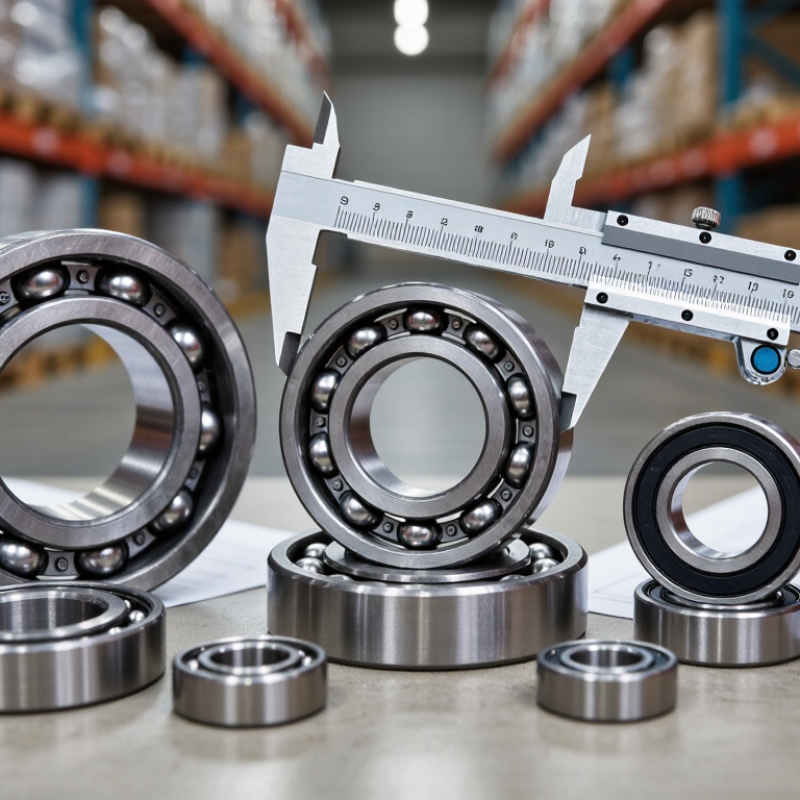
When sourcing steel ball bearings globally, begin with their operating role. Deep-groove bearings suit radial loads and moderate axial loads. Angular-contact bearings manage combined loads at higher precision. Thrust bearings handle axial force, not heavy radial pressure.
Material affects service life. Chrome steel offers strong fatigue resistance and broad industrial use. Stainless steel resists moisture and many corrosive environments. Ceramic balls reduce friction and electrical conductivity, but they cost more and may need careful handling. Check dimensions against ISO 3290 or the relevant drawing. Do not assume identical sizes perform identically. Load ratings, rotation speed, internal clearance, seals, and lubrication all change results. Rubber seals protect against dust and grease loss. Metal shields usually tolerate higher temperatures. In a workshop, a rough raceway, uneven sound, or excessive play can reveal quality problems before installation. Small details matter.
Tips: Request material certificates, inspection reports, batch traceability, and sample bearings before placing a large order. Ask for dynamic and static load ratings, allowable speed, clearance class, seal type, and grease specification. Compare measurements from several samples, not only one unit. One common mistake is choosing stainless steel for every wet application. It may resist corrosion, yet its load capacity can differ from chrome steel. Supplier documents are useful, but independent inspection adds confidence. Test the bearing under realistic temperature, speed, and load conditions whenever possible. Performance claims can look precise. Real machinery is less forgiving.
Deep-groove bearings handle radial loads and moderate axial loads. Angular-contact bearings manage combined loads with higher precision. Thrust bearings handle axial force only. Not heavy radial pressure.
Chrome steel offers strong fatigue resistance for broad industrial use. Stainless steel resists moisture and many corrosive environments. Ceramic balls reduce friction and electrical conductivity. They cost more.
No. Stainless steel resists corrosion, but its load capacity may differ from chrome steel. Check the actual load, speed, moisture, and temperature. Wet does not mean simple.
Check bore diameter, outside diameter, clearance, roundness, and surface finish. Also verify load ratings, allowable speed, seals, and lubrication. Matching size alone is insufficient.
Rubber seals help block dust and retain grease. Metal shields usually tolerate higher temperatures. Choose based on contamination, heat, maintenance access, and rotation speed. Small details matter.
Request material certificates, inspection reports, batch traceability, and samples. Ask for hardness results and heat-treatment records. Review grease specifications and seal details. One sample proves little.
Compare recent samples from the same production line. Review dimensional reports, calibration records, and inspection methods. Verify certification scope, factory coverage, and expiration dates. Polished documents can still miss problems.
Inspect incoming steel, machining, washing, lubrication, packaging, and final testing. Use calibrated gauges and record every reading. Check packaging humidity and batch labels. I would recheck the shipment after arrival. Trust should be earned twice.
Listen for uneven noise and inspect the raceway surface. Excessive play, rough rotation, or visible damage deserves attention. A clean box proves nothing. The workshop often tells the truth.
Compare rejection costs, inspection expenses, packaging quality, and delivery reliability. Keep approved samples from every batch. Prepare backup routes and alternative processors. No checklist catches everything. Reassess suppliers after pilot orders.
Choosing the right Steel Ball Bearings for global sourcing requires a clear understanding of application needs and supplier capabilities. Start by comparing bearing types, materials, load ratings, speed limits, precision grades, lubrication requirements, and resistance to heat, moisture, corrosion, or contamination. Defining these performance factors in advance helps buyers select products that deliver reliable operation and consistent service life.
Supplier evaluation should include manufacturing processes, quality control systems, applicable industry standards, and recognized certifications. Buyers should also compare total costs, including unit pricing, minimum order quantities, packaging, lead times, customs arrangements, and shipping options. Before placing a large order, request samples, verify dimensions and performance, and establish inspection procedures for production batches. Clear specifications, documented quality requirements, careful logistics planning, and contingency measures can reduce sourcing risks and support stable international supply. A structured evaluation process enables companies to balance technical performance, cost efficiency, quality consistency, and delivery reliability.
