Choosing the right metal ball bearings can be a challenging task. Industry expert Dr. Emily Carter once stated, “Selecting quality metal ball bearings is crucial for optimal machinery performance.” This highlights the importance of understanding the nuances involved in the selection process.
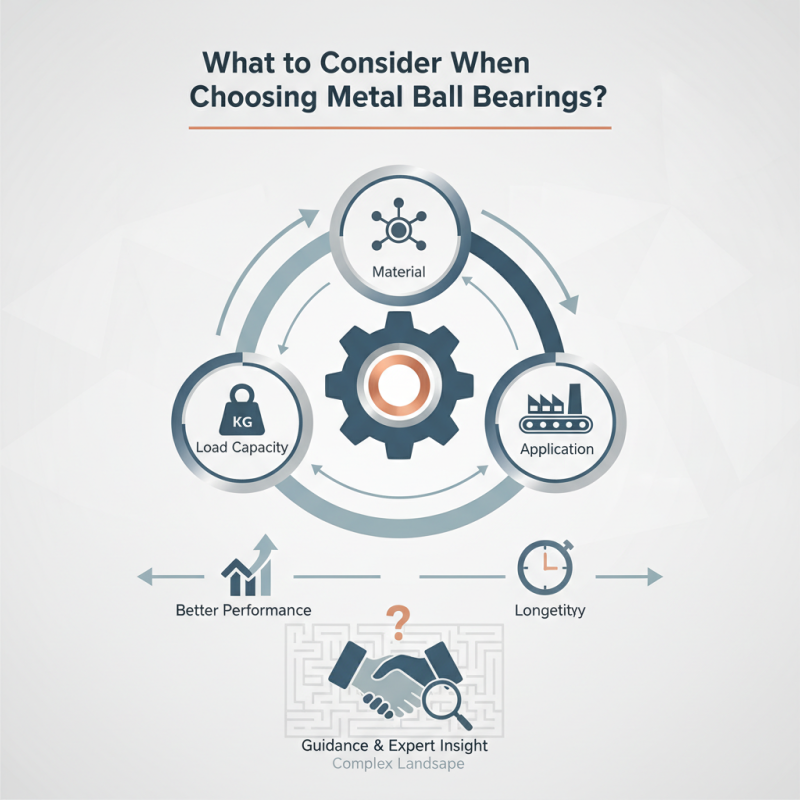
When evaluating metal ball bearings, factors such as material, load capacity, and application must be considered. Different materials offer varying levels of durability and resistance. For instance, stainless steel provides corrosion resistance, while ceramic can offer higher precision. Each choice has advantages and downsides.
A thorough assessment can lead to better performance and longevity. However, making a decision can feel overwhelming. It's essential to reflect on specific needs and environments. Proper guidance and expert insight can help navigate this complex landscape in the metal ball bearings industry.
Factors Influencing the Selection of Metal Ball Bearings
When selecting metal ball bearings, several factors demand careful consideration. The material used is crucial. Different metals, like steel and stainless steel, offer varying levels of corrosion resistance and strength. Knowing the application is key to making the right choice. For example, high-speed applications may require different specifications than heavy-load systems.
Load capacity is another vital factor. Each bearing has a maximum load rating that should match your machinery's needs. If overloaded, bearings can fail prematurely. Friction levels also play a role. Low-friction bearings can enhance efficiency but may come at a higher cost.
Maintenance requirements are often overlooked. Some bearings need regular lubrication, while others are sealed for life. This can impact your operational routines. Understanding your environment is just as important. Factors like temperature, moisture, and dust exposure will affect bearing performance. Always assess these conditions realistically to avoid future issues.
Types of Metal Ball Bearings and Their Applications
When selecting metal ball bearings, understanding their types and applications is essential. There are several types of metal ball bearings, each serving distinct purposes. For instance, deep groove ball bearings are prevalent in electric motors due to their ability to handle radial and axial loads. Industries often prefer these bearings for their versatility and durability, which is supported by a report indicating a growing demand in the automotive sector.
Angular contact ball bearings, on the other hand, excel in high-speed applications. They can support combined loads effectively. These bearings are crucial in precision machinery, where performance is paramount. In fact, a recent study highlighted that the global market for angular contact bearings is expected to grow by 8% annually. This surge reflects their increasing importance in sectors like aerospace and robotics.
Self-aligning ball bearings are another type worth noting. They can accommodate misalignment, which is beneficial when dealing with shaft deflections. However, they may not perform optimally under heavy loads, requiring careful consideration during selection. Each bearing type has its trade-offs, and assessing these can lead to better operational efficiency and reduced downtime in various applications.
Material Considerations for Durability and Performance
When selecting metal ball bearings, material choice is crucial for ensuring both durability and performance.
Stainless steel is a popular option due to its corrosion resistance. It withstands harsh environments well.
However, it may not always be the best choice for high-load applications.
For such situations, consider using chrome steel. Chrome steel offers higher hardness and load capacity.
Yet, it can be more prone to rust if not properly maintained.
Another factor to consider is the bearing's intended use. If it operates in extreme temperatures,
specialized materials like ceramic or hybrid bearings may be beneficial.
Ceramic materials are lightweight and resistant to thermal expansion. Still, they can be brittle, which raises the risk of failure under shock loads.
Therefore, assess the specific requirements of your application carefully.
Ultimately, no single material will meet all needs perfectly. Each comes with its pros and cons.
Weigh these aspects against the demands of your application. This reflection helps in making informed decisions.
Load Capacity and Size Specifications in Ball Bearings
When selecting metal ball bearings, load capacity and size specifications are critical factors. Load capacity defines how much weight a bearing can handle without failing. For instance, deep groove ball bearings often support radial and axial loads. According to industry reports, load ratings can vary significantly based on factors like material and design. Standard load ratings can reach up to several tons for larger bearings.
Size specifications also play a vital role. The inner and outer diameter must match the application requirements. Too large or too small can lead to inefficiencies. Small bearings, like those used in motors, can have inner diameters as small as 2 mm. Meanwhile, large bearings can exceed 100 mm. Misfit can result in increased wear and tear. It is essential to refer to reliable engineering tables that provide detailed specifications.
Moreover, the environment where the bearing operates influences both size and load capacity. Factors like temperature, lubrication, and contaminants must be considered. Often, this means balancing performance with durability. Even expert engineers overlook these nuances occasionally, leading to unanticipated failures. A careful evaluation of load and size can enhance reliability and performance in demanding applications.
Environmental Conditions and Their Impact on Bearing Choice
When selecting metal ball bearings, environmental conditions play a crucial role. Factors such as temperature, humidity, and exposure to corrosive substances can significantly impact performance. A study by the American Society of Mechanical Engineers (ASME) highlights that over 30% of bearing failures result from inadequate environmental consideration. Thus, understanding the operating environment is essential for optimizing bearing life.
Choosing the right material can mitigate adverse environmental effects. For example, stainless steel bearings offer superior corrosion resistance. However, they may not perform well in extreme temperatures. On the other hand, certain alloys can withstand heat but might corrode quickly in humid areas. Evaluating these trade-offs is vital for effective selection.
**Tips:** Regular maintenance habits can enhance bearing lifespan. Check for signs of wear and clean regularly. Additionally, consider protective seals to shield bearings from external contaminants. Regularly review data on performance metrics in varying environments to ensure you are making informed decisions. Adapt your strategies based on the latest research findings for optimal performance. Balancing these factors requires diligence and ongoing assessment.
What to Consider When Choosing Metal Ball Bearings? - Environmental Conditions and Their Impact on Bearing Choice
| Environment Type |
Temperature Range (°C) |
Humidity Level (%) |
Contaminants |
Recommended Bearing Material |
| Indoor |
5 to 35 |
30 - 50 |
Low Dust |
Chrome Steel |
| Outdoor |
-20 to 50 |
Variable (Up to 100) |
Dust, Water |
Stainless Steel |
| Marine |
0 to 40 |
High (80 - 100) |
Salt, Water |
Corrosion Resistant Alloys |
| Industrial |
-10 to 60 |
30 - 80 |
Oils, Greases |
Case Hardened Steel |
| Food Processing |
0 to 50 |
Low (20 - 60) |
Food Particles |
Hygienic Stainless Steel |
FAQS
: Steel and stainless steel are popular choices. Each offers different corrosion resistance and strength.
Load capacity indicates how much weight a bearing can handle. Overloading can cause premature failure.
Low-friction bearings improve efficiency but may have a higher cost. Consider if it's worth it for your needs.
Some need regular lubrication, while others are sealed. This affects your maintenance routine and operational efficiency.
Factors like temperature, moisture, and dust can affect performance. Be realistic about these conditions to avoid problems.
Inner and outer diameters must match the application. Incorrect sizes can lead to inefficiency and increased wear.
Yes, they can differ based on material and design. Standard load ratings may reach several tons, especially for larger bearings.
A misfit can result in increased wear and tear. This can lead to unexpected failures over time.
They provide detailed size and load specifications. Using them helps ensure reliability and performance in applications.
Yes, even experts may overlook nuances in load and size. This can lead to significant and costly issues later.
Conclusion
When selecting metal ball bearings, several critical factors should be considered to ensure optimal performance and longevity. The types of metal ball bearings available vary in their applications, making it essential to match the right type to specific operational requirements. Material selection also plays a crucial role, as durability and performance are heavily influenced by the materials used in the manufacturing of ball bearings.
Load capacity and size specifications are another vital consideration, as they directly affect the bearing's functionality under different operating conditions. Furthermore, environmental factors, such as temperature, moisture, and potential contaminants, can significantly impact the choice of metal ball bearings. By carefully evaluating these considerations, one can ensure the selection of the most suitable metal ball bearings for their specific needs, enhancing efficiency and reliability in their applications.
 Sill Bearing