
Sill Bearing
Choosing the best stainless steel ball bearings is crucial for many applications. These components play a vital role in ensuring smooth mechanical movement. When selecting bearings, it is essential to consider specific factors that impact performance and longevity.
Stainless Steel Ball Bearings come in various grades and sizes. Each type offers unique benefits based on your needs. You may face challenges when assessing quality and suitability. Evaluating load capacity, speed ratings, and resistance to corrosion is critical.
Understanding your intended application will help guide your choice. While price is an important factor, quality should not be compromised. Investing in high-quality stainless steel ball bearings can enhance equipment performance and reduce the risk of failure. Ultimately, a careful and informed selection process will lead to better results and increased reliability.
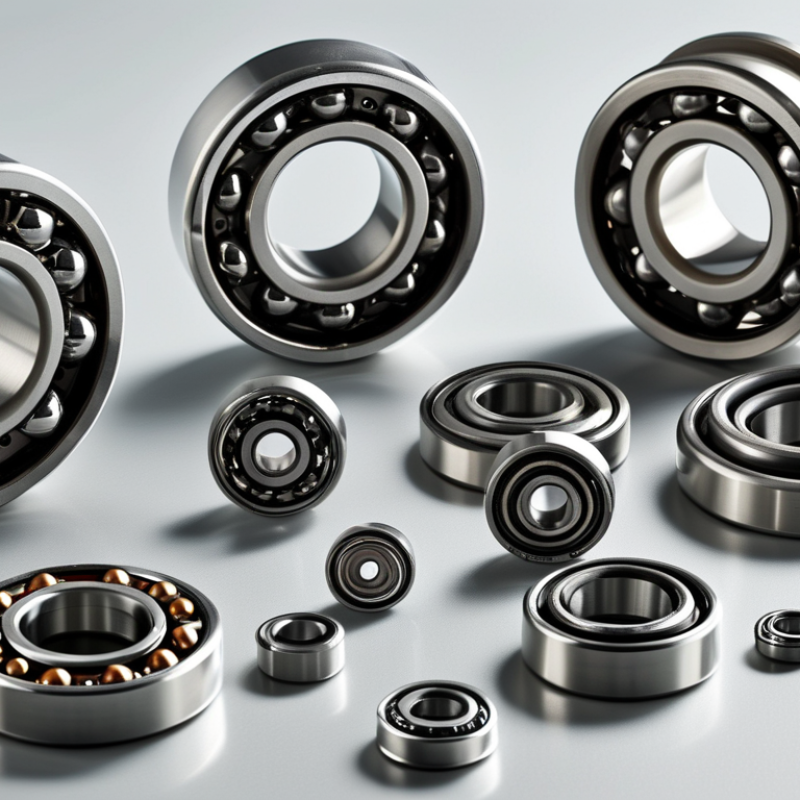
Choosing the right stainless steel ball bearings is essential for optimal performance. Understanding the different types available is the first step. There are many varieties, each designed for specific applications. Common types include deep groove, angular contact, and thrust ball bearings. Each type has unique features suited for particular needs.
Deep groove ball bearings are versatile and widely used. They support radial and axial loads effectively. Angular contact bearings allow for higher speeds and can handle both radial and axial loads simultaneously. Thrust ball bearings, however, are designed to handle axial loads only. Their construction varies slightly, impacting their use in various machinery.
While it may seem easy to pick one, details matter. Consider the load requirements, speed, and environment. Corrosion resistance is crucial if the bearings will face moisture. Sometimes, the specifications may not align perfectly with needs. Reflecting on past experiences helps in making better choices. Understanding these factors ultimately leads to better equipment performance.
When choosing stainless steel ball bearings, several key factors play a crucial role in ensuring optimal performance. The type of stainless steel used matters significantly. Stainless steel grades like 440C or AISI 304 offer different benefits and corrosion resistance levels. It's essential to understand the application and environment in which the bearings will operate. For high-load or wet environments, a higher grade or special coatings may be necessary.
Another important consideration is the size and tolerance of the bearings. Bearing size impacts load capacity and speed. Pay attention to the inner and outer diameters. Precision in these dimensions is vital for performance. Bearings with tighter tolerances typically perform better under stress but may come at a higher cost.
Tips: Always assess the load requirements before purchasing. If unsure, consult with a mechanical engineer. Additionally, consider the lubrication needed for your bearings. Proper lubrication can enhance life and efficiency significantly. Inspect your bearings regularly to identify any wear and tear. This proactive approach ensures prolonged functionality and saves costs in the long run.
When selecting stainless steel ball bearings, evaluating their load ratings is crucial. Load ratings indicate the maximum load a bearing can support while maintaining performance. According to industry reports, the dynamice load rating represents the maximum load during operation. This figure can greatly influence the lifespan of the bearing. A well-chosen load rating could enhance functionality and reduce breakdown risks.
It is essential to consider the type of application. For instance, high-speed machinery may require bearings with specific designs to handle increased stress. Performance metrics such as speed ratings, temperature tolerances, and lubrication requirements also play a vital role. Many industry specialists suggest a reliable source of information to understand these nuances. Users should evaluate the bearing's materials to ensure compatibility with their unique needs.
Tips: Always consult technical datasheets from reputable manufacturers. Understanding the specific environment where bearings will operate is key. Each application has unique challenges, and reflection on past failures can inform better decisions for future purchases. Knowledge of specific loads and expected wear will aid in making informed choices.
When budgeting for stainless steel ball bearings, consider several key factors. The cost can vary significantly based on quality, grade, and size. Basic options are often more affordable but may not perform as well. Investing in higher-grade materials typically leads to better durability and performance.
It’s crucial to evaluate your specific needs. For casual projects, budget-friendly options may suffice. However, for industrial applications, prioritize reliability and efficiency over initial cost. Remember, a lower price doesn't always equal a good deal. Sometimes, the cheapest bearings can lead to higher maintenance costs in the long run.
Reflect on your usage scenarios. Are they for high-load applications? Or light uses? These questions will guide your choice. Also, always check supplier reviews. Look for companies known for quality and support. This adds an extra layer of assurance to your purchase.
Proper maintenance of stainless steel ball bearings can significantly extend their lifespan. Routine checks are essential. Inspect for signs of wear, rust, or abnormalities. A small issue can lead to larger failures if ignored. Regular cleaning helps remove contaminants that can cause corrosion. Use a mild detergent and a soft brush for effective cleaning.
Lubrication is a key aspect of maintenance. High-quality lubricants can reduce friction and enhance performance. Different applications may require varying lubrication methods. Too much lubricant can attract dirt. Too little lubricant can lead to overheating. Find the right balance based on your specific needs.
Still, even with rigorous maintenance, ball bearings can face wear and tear. Over time, they may not perform as expected. Regularly consider the working environment. Factors like dust or moisture can impact their efficiency. Reassessing your setup can lead to better choices for longevity. Being proactive about these aspects can save you time and money in the long run.
: Common types include deep groove, angular contact, and thrust ball bearings. Each serves specific applications.
Deep groove ball bearings support radial and axial loads effectively. They are versatile and widely used.
Angular contact bearings allow higher speeds and handle both radial and axial loads simultaneously.
Thrust ball bearings are specifically designed to handle axial loads only. Their construction varies slightly.
Load ratings indicate maximum loads a bearing can support. They influence the lifespan and functionality significantly.
Costs vary by quality, grade, and size. Higher-grade materials often provide better durability and performance.
Reflect on your application, such as load requirements. This helps in making better choices for your needs.
Technical datasheets offer essential specifications. They provide insights into materials and performance metrics.
Check supplier reviews and prioritize reliability over a low price. Quality assurance matters for long-term performance.
Cheaper bearings may seem like a deal. However, they can lead to higher maintenance costs over time.
When choosing the best stainless steel ball bearings for your needs, it's essential to understand the different types available in the market. These bearings come in various designs, each suited to specific applications. Key factors to consider include load capacity, operating environment, and lubrication requirements, as these elements significantly impact performance and durability.
Evaluating load ratings is crucial for ensuring that the selected stainless steel ball bearings can handle the intended application without failure. Additionally, balancing quality with cost is important for budgeting effectively. Regular maintenance can also extend the lifespan of ball bearings and enhance operational efficiency. By carefully considering these aspects, you can make an informed decision that meets your needs while maximizing the performance of stainless steel ball bearings.
