
Sill Bearing Sill Bearing

Why Choose Thin Section Bearings for Your Next Project?

Time:2026-06-19 Author:Sophia
0%

Thin Section Bearings have become increasingly vital in various engineering applications. According to a recent report by MarketsandMarkets, the global bearing market is projected to reach USD 100 billion by 2026, with thin section bearings playing a crucial role in this growth. Their unique design allows for reduced weight and compact dimensions, making them ideal for applications in robotics, aerospace, and medical devices.

The importance of Thin Section Bearings stems from their ability to handle both radial and axial loads effectively. In high-precision environments, every detail counts. For example, in aerospace applications, even a slight weight reduction can lead to significant increases in fuel efficiency. Nevertheless, users must consider their limitations, such as lower load capacities compared to traditional bearings. Understanding both capabilities and challenges is essential for making informed choices.

While the advantages are clear, selecting the right bearing requires careful thought. Not every application will benefit from Thin Section Bearings. It's important to evaluate performance requirements fully. Balancing efficiency with cost can sometimes lead to tricky decisions. By doing so, engineers can ensure they choose the best solution for their projects.
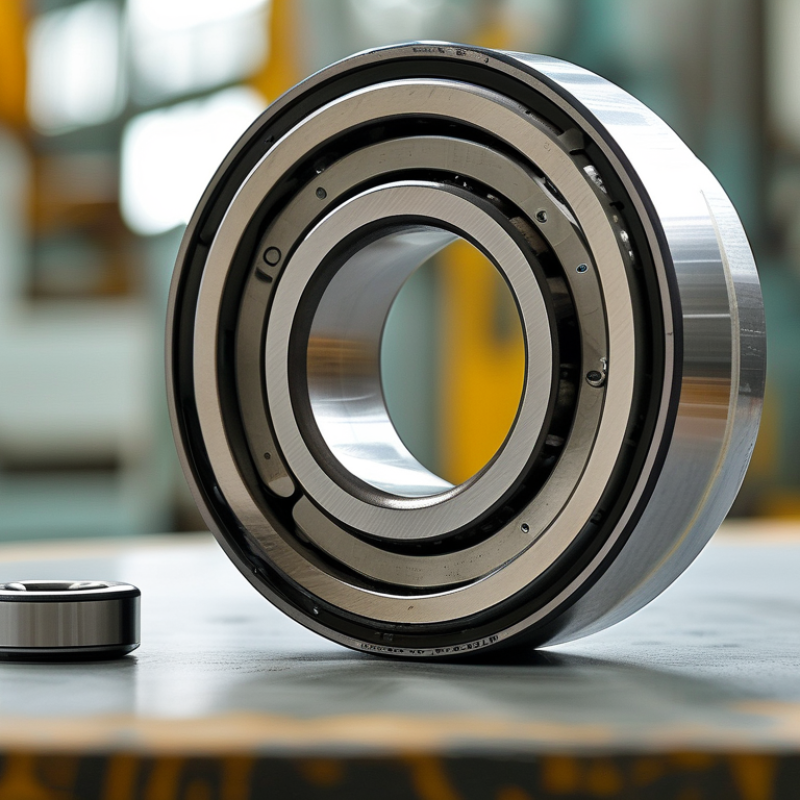
Why Choose Thin Section Bearings for Your Next Project?

Benefits of Thin Section Bearings in Engineering Applications

Thin section bearings are becoming increasingly popular in engineering applications. Their slim profile allows for reduced weight and space, which is crucial in modern designs. According to a report by the International Bearing Association, thin section bearings can save up to 40% in weight compared to traditional bearings. This weight reduction can lead to lower energy consumption, particularly important in industries like aerospace and automotive.

Another advantage is their versatility. Thin section bearings can accommodate different load types and configurations, making them suitable for a variety of applications. Industries like robotics and medical devices benefit from this adaptability. A study from the Journal of Mechanical Design highlights that these bearings can handle misalignment better than standard bearings. This can enhance operational efficiency and prolong equipment life.

However, engineers should be cautious when choosing thin section bearings. While they offer many benefits, their load capacity can be less than that of thicker bearing types. This can lead to premature failure in high-load scenarios. It's essential to conduct thorough testing and simulations before implementation. In certain applications, this factor can't be overlooked, which may impact overall design reliability.

Material Options for Thin Section Bearings: Choosing the Right Fit

When selecting thin section bearings, the material is crucial. They can be made from different materials, each offering distinct advantages. Steel bearings are robust and ideal for high-load applications. Ceramic bearings are lighter and exhibit excellent wear resistance. Choosing the right material can significantly impact performance.

Another option is plastic bearings, known for their low friction and corrosion resistance. However, they may not handle heavy loads as effectively. Understanding project requirements helps in making an informed choice.

It is essential to reflect on operating conditions and load capacities. Each material option comes with trade-offs.

Consider the environment where the bearings will be used. Exposure to moisture, chemicals, or extreme temperatures may influence material choice. Selecting a less suitable material could lead to underperformance or premature failure. Thus, thoughtful evaluation ensures reliable outcomes and enhances your project's success.

Design Considerations for Implementing Thin Section Bearings

When considering thin section bearings, design aspects are crucial. These bearings provide substantial advantages in compact spaces. Their low-profile nature is ideal for applications requiring lightweight components. Engineers must assess load capacity and life expectancy. It's important to understand the trade-offs between size and durability.

Material choice is another critical consideration. Thin section bearings often use steel or polymer materials. Each has unique characteristics that affect performance. Steel offers higher strength, while polymers can reduce weight. Designers should weigh these properties against project requirements. Misjudgment in material selection could lead to premature failure.

Installation procedures also demand attention. Proper alignment is essential for optimal performance. Misalignment can result in increased friction and wear. Regular maintenance plans should be established to ensure longevity. Lack of maintenance can result in unexpected downtimes, impacting project timelines. Keep in mind these elements for effective design and integration of thin section bearings.

Why Choose Thin Section Bearings for Your Next Project? - Design Considerations for Implementing Thin Section Bearings

Dimension Standard Size (mm) Weight (g) Load Capacity (N) Applications
Inner Diameter 10 5 150 Robotics
Outer Diameter 20 10 200 Aerospace
Width 5 2 100 Medical Devices
Radial Clearance 0.025 0.5 75 Material Handling

Performance Advantages of Thin Section Bearings Over Traditional Bearings

Thin section bearings offer unique performance advantages that can significantly enhance your project's efficiency. Their compact design allows for a reduction in weight and space without compromising on performance. This crucial factor enables engineers to design more lightweight and efficient systems. These bearings provide lower friction and heat generation, which can lead to prolonged equipment life and decreased maintenance costs.


When considering thin section bearings, it's essential to assess your project requirements. Evaluate load conditions, speed, and space constraints. These bearings excel in applications that demand high precision in limited spaces. Incorporating them into your design could be the difference between standard performance and outstanding efficiency.


Tip: Always review the specifications carefully. Choosing the right material is vital for optimal performance. A mismatch can lead to premature failure. Additionally, regular maintenance checks can ensure the longevity of your bearings, whether thin or traditional. Remember, informed choices lead to better project outcomes.

Applications of Thin Section Bearings in Various Industries

Thin section bearings have become a vital component in various industries due to their unique advantages. In the aerospace sector, these bearings help reduce weight without compromising performance. According to a report by the Aerospace Industries Association, the demand for lightweight components is projected to increase by 20% over the next five years. This shift highlights the necessity for efficient design in aircraft systems.

In robotics and automation, thin section bearings enhance precision and minimize friction. The International Federation of Robotics stated that the robotics market is expected to grow by 14%, driven largely by advances in automation technologies. This growth underscores the importance of reliable bearings. However, one challenge persists: ensuring adequate lubrication in compact designs. Many engineers must adapt to this common issue to maintain optimum bearing life.

In medical devices, thin section bearings are crucial for minimizing size and maximizing reliability. The global medical device market is estimated to reach $500 billion by 2025, according to the Medical Device Manufacturers Association. As devices become smaller, the challenge of integrating thin section bearings arises. Engineers often question if they can balance durability and space constraints effectively. Each sector showcases the versatile nature of thin section bearings, though challenges remain that require ongoing innovation.

Applications of Thin Section Bearings in Various Industries

FAQS

: What materials are used for thin section bearings?

: Thin section bearings can be made from steel, ceramic, and plastic. Each material has its benefits and drawbacks.

What are the advantages of steel bearings?

Steel bearings are strong and suitable for high-load applications. They excel in durability and performance under stress.

Why consider ceramic bearings?

Ceramic bearings are lightweight and provide excellent wear resistance. They are often chosen for their long lifespan.

What are some drawbacks of plastic bearings?

Plastic bearings have low friction but may struggle with heavy loads. They can also limit performance in extreme conditions.

How does the environment affect bearing material choice?

Factors like moisture, chemicals, and temperature should influence your material selection. Improper choices may lead to failure.

What design aspects should be considered for thin section bearings?

Design should focus on load capacity, life expectancy, and material properties. Misjudgment can result in unexpected failures.

Why is alignment important during installation?

Proper alignment ensures optimal performance. Misalignment can increase friction and cause premature wear.

What maintenance practices are necessary?

Regular maintenance checks are essential. Lack of maintenance can lead to unexpected downtimes and project delays.

How do thin section bearings improve design efficiency?

Their compact design reduces weight and space needs. This allows for more efficient systems without sacrificing performance.

What happens if the material is mismatched?

Choosing the wrong material can lead to premature failure. It’s critical to evaluate project requirements carefully.

Conclusion

Thin Section Bearings offer significant advantages in various engineering applications due to their lightweight and compact design. These bearings provide enhanced performance by reducing weight without compromising strength, making them ideal for applications with space constraints. They are available in different material options, allowing engineers to choose the right fit for specific environments and load requirements.

When designing systems that incorporate Thin Section Bearings, considerations such as load capacity, operating conditions, and alignment must be taken into account to maximize their effectiveness. Compared to traditional bearings, Thin Section Bearings exhibit superior performance characteristics, including increased stiffness and lower friction, which contribute to improved overall efficiency. Their versatility allows for a wide range of applications across industries, from aerospace to robotics, solidifying their importance in modern engineering projects.

Sophia

Sophia

Sophia is a dedicated marketing professional with an exceptional depth of knowledge about her company's products and services. With a keen understanding of market trends and customer needs, she crafts insightful blog posts that not only inform but also engage readers, enriching the company’s online......