In today's industrial landscape, Precision Ball Bearings play a crucial role in enhancing machinery efficiency. According to a report by Global Industry Analysts, the market for precision ball bearings is expected to reach $16 billion by 2027. This significant growth highlights the increasing demand for high-performance components in various sectors.
Experts like Dr. Emily Chen, a leading figure in bearing technology, emphasize their importance. She states, "Precision Ball Bearings are essential for reducing friction and improving the lifespan of machinery." This insight reflects a common challenge faced by industries: how to maximize equipment reliability while minimizing downtime.
Nevertheless, not all precision ball bearings are created equal. The variation in materials, designs, and tolerances can lead to confusion. Companies often struggle to choose the best options for their specific needs. A careful assessment of application requirements is essential. Finding the right balance between durability and performance can make all the difference in industrial operations.
Understanding Precision Ball Bearings: Definition and Importance
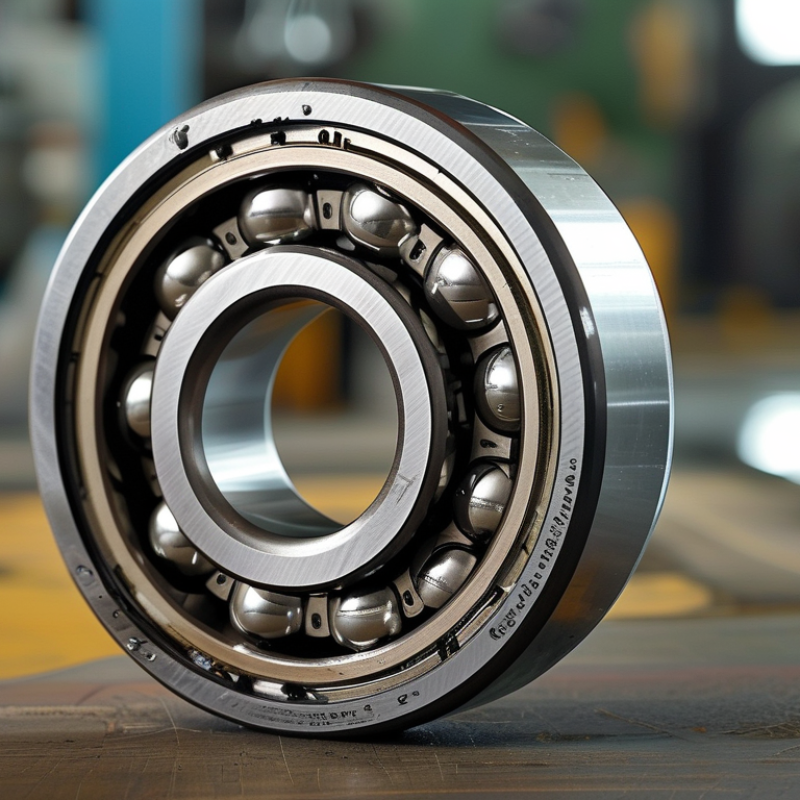
Precision ball bearings are crucial components in various industrial applications. They allow for smooth rotation and reduce friction. Understanding their definition helps in choosing the right type for your needs. These bearings consist of an outer race, inner race, balls, and a cage. The precise alignment of these components ensures better performance.
The importance of precision ball bearings cannot be overstated. They are vital for machinery efficiency. In high-speed environments, even the slightest misalignment can lead to failure. Regular maintenance is key to prolonging their lifespan. Some users may overlook this aspect, leading to costly downtimes. Monitoring wear and tear can help identify issues early.
Selecting the right precision ball bearings requires expertise. Different applications necessitate different specifications. Factors such as load bearing, speed, and environment should be assessed. Not every application demands the highest precision. Sometimes, a more economical choice can suffice. Balancing cost and quality is an ongoing challenge in industrial settings. Each decision reflects on overall productivity.
Key Materials Used in Precision Ball Bearings and Their Properties
Precision ball bearings are crucial components in various industrial applications. Their performance largely depends on the materials used in their construction. Commonly used materials include stainless steel, ceramics, and plastics, each offering distinct properties that can affect their efficiency and longevity.
Stainless steel is often chosen for its corrosion resistance and strength. It provides durability, which is essential for high-load applications. However, it can be heavier and may suffer from fatigue over time. Ceramics, on the other hand, are lighter and possess excellent wear resistance. They are perfect for high-speed applications. Yet, they can be more brittle and prone to cracking if not handled properly.
Lastly, plastics are increasingly used for non-load bearing applications due to their lighter weight and resistance to moisture. However, their lower strength can limit their use in demanding environments. Understanding these materials is key. Each option has benefits and limitations, which require careful consideration based on specific industrial needs.
Best Precision Ball Bearings for Your Industrial Needs
This chart displays the performance ratings of different materials used in precision ball bearings. Steel and ceramic materials generally perform better compared to plastic, stainless steel, and bronze, making them preferable choices for high-precision industrial applications.
Industry Standards and Ratings for Precision Ball Bearings
When selecting precision ball bearings, understanding industry standards is crucial. Different sectors have specific requirements. For instance, aerospace applications demand higher reliability than general manufacturing. Evaluating the ratings ensures the bearings meet necessary performance metrics. These ratings typically focus on load capacity, speed, and material quality.
Tips: Always check the manufacturer’s documentation. Reliable sources often provide insight into performance expectations. It’s also helpful to consult professionals with experience in your specific industry.
Not all bearings are created equal. Variations in material and design can impact service life. Sometimes, cheaper options may lead to failures. Regular evaluations of your requirements can help identify necessary adjustments or upgrades. Staying informed on industry innovations can prevent future issues.
Best Precision Ball Bearings for Your Industrial Needs
| Type |
Material |
Inner Diameter (mm) |
Outer Diameter (mm) |
Max RPM |
Load Rating (kg) |
Lubrication Type |
| Deep Groove |
Chromium Steel |
10 |
30 |
12000 |
500 |
Grease |
| Angular Contact |
Stainless Steel |
15 |
35 |
9000 |
350 |
Oil |
| Self-Aligning |
Ceramic |
20 |
50 |
8000 |
400 |
Grease |
| Thrust |
Alloy Steel |
25 |
40 |
6000 |
240 |
Oil |
| Miniature |
Plastic |
5 |
15 |
15000 |
200 |
Grease |
Comparative Analysis: Top Brands of Precision Ball Bearings in 2023
When selecting precision ball bearings for industrial applications, brand reputation matters. Many manufacturers have established themselves as leaders, offering reliable and high-performance products. However, some newer brands are gaining traction due to innovative designs and competitive pricing. It is crucial to analyze the specifications of each bearing type, as not all bearings serve the same purpose.
Load capacity, material quality, and lubrication technology can significantly impact a bearing's performance. Some brands focus on specific industries, tailoring their products to meet unique requirements. This specialization often leads to enhanced durability and efficiency. Nonetheless, a reliable bearing must also consider ease of maintenance and compatibility with existing systems.
Unforeseen issues, like corrosion or wear, can lead to downtime and increased costs.
Choosing the right precision ball bearings is not a straightforward process. A thorough evaluation of performance data and customer feedback is necessary. Misjudging the right fit can cause significant inefficiencies. It is essential to weigh all options carefully and reflect on past experiences to make informed decisions. Your application deserves nothing less than the best.
Applications of Precision Ball Bearings in Different Industrial Sectors
Precision ball bearings play a vital role in various industrial sectors. They enable machinery to operate smoothly and efficiently. In manufacturing, these bearings reduce friction between moving parts. This leads to increased productivity and lower energy consumption. They are crucial in conveyor systems, motors, and pumps.
In the automotive industry, precision ball bearings enhance vehicle performance. They support components like wheels and transmissions. The right bearing can improve fuel efficiency and reduce wear. However, selecting the wrong type can lead to premature failure, costing time and money.
Aerospace applications also rely heavily on these precision components. Bearings need to withstand extreme conditions, including high speeds and temperatures. Engineers often face challenges in ensuring reliability. Their decisions can significantly impact safety. Effective collaboration and thorough testing are essential to avoid potential issues.
FAQS
: Common materials include stainless steel, ceramics, and plastics, each with unique properties.
Stainless steel offers corrosion resistance and strength, making it durable for high-load applications.
Ceramics are lighter and have excellent wear resistance, ideal for high-speed applications.
Yes, ceramics can be brittle and may crack if not handled carefully.
Plastics are used for non-load bearing applications due to their light weight and moisture resistance.
Their lower strength can restrict their application in demanding environments.
Brand reputation matters as it indicates reliability and performance, but newer brands can offer innovative choices.
Consider load capacity, material quality, and lubrication technology for optimal performance.
Incorrect bearing choice can cause inefficiencies and increase downtime, affecting overall productivity.
Engineers must ensure reliability under extreme conditions to maintain safety.
Conclusion
Precision ball bearings play a crucial role in various industrial applications by enhancing performance and efficiency. These bearings are defined by their high accuracy and low friction characteristics, which are essential for machinery that requires reliable and smooth operation. The materials used in their construction, such as stainless steel, ceramics, and polymers, each bring unique properties that contribute to the durability and effectiveness of precision ball bearings.
Understanding industry standards and ratings is important for selecting the right ball bearings for specific needs, as they ensure quality and compatibility with various machinery. A comparative analysis of leading precision ball bearing brands reveals differences in performance and suitability across different sectors. Moreover, these bearings find applications in industries ranging from automotive to aerospace, where precision and reliability are paramount. Thus, the selection of high-quality precision ball bearings is vital for optimizing industrial performance.
 Sill Bearing
