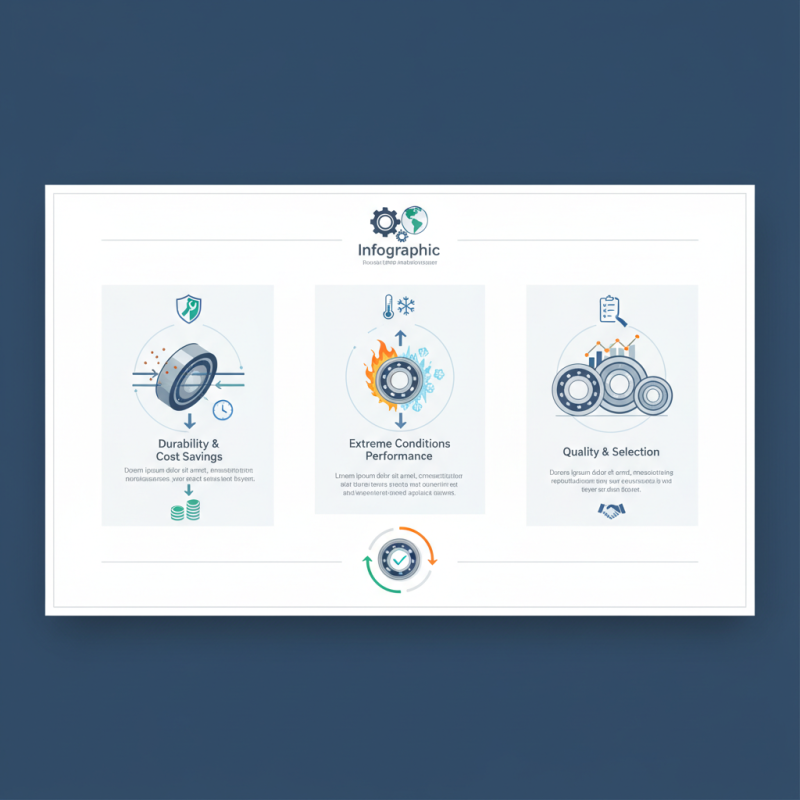
Stainless Steel Ball Bearings have become essential in various industries. They are known for their durability, resistance to corrosion, and efficiency. Global buyers are increasingly prioritizing these components for machinery and equipment.
The benefits of Stainless Steel Ball Bearings are significant. Their advanced materials offer longevity, reducing the need for replacements. This can lead to cost savings in the long run. Additionally, they perform well under extreme conditions, making them a reliable choice for various applications.
However, it is crucial to recognize that not all Stainless Steel Ball Bearings are created equal. Selecting the right type requires careful consideration of specific needs. Buyers should research reputable manufacturers to ensure quality and reliability. This active engagement can yield better performance and satisfaction in the long term.
Top Benefits of Stainless Steel Ball Bearings for Global Buyers
Stainless steel ball bearings offer significant advantages for global buyers. Their resistance to corrosion makes them ideal for diverse environments. They perform well in high-moisture areas, protecting machinery from rust. This durability often translates to lower maintenance costs, which is attractive for budget-conscious buyers.
Moreover, stainless steel bearings exhibit great strength and longevity. They can handle heavier loads compared to alternatives. This robustness reduces the frequency of replacements, saving time and resources. However, the initial investment may be higher than standard options. Buyers must evaluate whether this upfront cost is justified by long-term performance.
The adaptability of stainless steel ball bearings is another plus. They can be used in various industries, from automotive to aerospace. Yet, not all buyers may recognize the specific requirements of their applications. Detailed assessments are necessary to ensure optimal performance. This reveals a gap in understanding that can impact purchasing decisions.
Superior Corrosion Resistance: Key to Longevity in Various Environments
Stainless steel ball bearings are known for their superior corrosion resistance. This feature greatly enhances their longevity. They can withstand harsh environments, including moisture and salt. Many industries rely on these bearings for equipment durability. In marine or chemical applications, they resist rust effectively. This means lower maintenance costs over time.
Corrosion resistance is not just a benefit; it’s essential. Without this property, bearings would fail quickly. Regular steel bearings can corrode, leading to equipment breakdowns. Users often overlook this risk. Choosing stainless steel may seem more expensive initially, but the long-term savings are significant. Reduced downtime and fewer replacements lead to better overall value.
However, it's crucial to consider operating conditions. Not all stainless steel is the same. Some alloys perform better in specific environments. Understanding the environment in which the bearings will operate is key. Users must assess potential risks and make informed decisions. This might require consultation with experts in the field.
Enhanced Load Capacity: Understanding the Engineering Specifications
When considering the engineering specifications of stainless steel ball bearings, enhanced load capacity stands out. These bearings are designed to withstand higher loads compared to traditional materials. The unique molecular structure of stainless steel offers both strength and durability. This ensures that they can perform under various conditions without significant wear.
Load capacity is influenced by multiple factors. For instance, the ball size and raceway design play critical roles. A larger ball typically means a higher load capacity. Additionally, the alignment of the bearing affects its performance. Misalignment can lead to premature failure. Therefore, precision in installation is paramount. Engaging with experienced engineers is often necessary to optimize these aspects.
It's essential to consider potential drawbacks, too. While stainless steel bearings are robust, they can still be susceptible to corrosion in harsh environments. Proper lubrication is key to maintaining their performance. Regular maintenance checks are necessary to ensure longevity. Buyers must be aware of these challenges while seeking high-quality bearings for their applications.
Reduced Friction and Wear: Data on Efficiency Improvements in Machinery
Stainless steel ball bearings play a crucial role in reducing friction and wear in machinery. Their smooth surface allows for efficient movement, leading to improved overall performance. For industries seeking to enhance operational efficiency, these components are invaluable. They help minimize energy consumption and increase machinery lifespan.
Tips: Regular maintenance is vital. Check for any signs of wear regularly. Even high-quality bearings can degrade over time.
Additionally, stainless steel's resistance to corrosion makes it suitable for various environments. It can withstand harsh conditions without losing functionality. Data shows a significant decrease in energy costs when using these bearings in machinery.
Tips: Consider compatibility with existing systems. Review specifications to ensure optimal performance. Not all stainless steel grades yield the same results.
Investing in stainless steel ball bearings may require initial costs, but the long-term benefits outweigh them. Enhanced efficiency leads to increased productivity and cost savings.
Cost-Effectiveness Over Time: Analyzing Lifecycle and Maintenance Expenses
Stainless steel ball bearings offer significant advantages for global buyers, particularly regarding long-term cost-effectiveness. According to a report by the International Bearing Association, properly maintained stainless steel bearings can last three times longer than their counterparts made from other materials. This durability translates into reduced replacement costs and lower operational downtime, critical factors in manufacturing and industrial applications.
Maintenance expenses play a vital role in the overall lifecycle cost of bearings. Data from the Society of Tribologists and Lubrication Engineers indicates that improper lubrication can increase maintenance costs by over 30%. Stainless steel bearings require less frequent lubrication, decreasing the likelihood of unexpected failures. This efficiency helps companies save money and allocate resources more effectively, especially in large-scale operations.
However, buyers should be aware of the initial investment involved. Stainless steel bearings often come with a higher upfront cost. Companies must analyze their specific needs and consider the long-term benefits. This requires critical thinking and planning to avoid pitfalls. Balancing initial costs with potential savings helps ensure a wise investment in the long run.
Global Market Trends: Forecasts and Demand for Stainless Steel Bearings
The global demand for stainless steel ball bearings is on the rise. Industries recognize the advantages these bearings bring, particularly in durability and corrosion resistance. As manufacturing processes evolve, the need for reliable components becomes more critical. Stainless steel bearings can withstand harsh conditions and reduce maintenance costs. This durability is crucial as businesses strive for efficiency.
Current market trends show a growing interest in eco-friendly materials and lightweight designs. Stainless steel meets these needs while offering excellent performance. Many manufacturers are shifting to this material to enhance their products. However, there remain challenges in sourcing high-quality stainless steel. Not all suppliers maintain the same standards. Buyers must carefully evaluate their options.
Innovations in production technology also influence market forecasts. Advanced manufacturing techniques can produce bearings with precise tolerances. This improves performance and safety in various applications. Yet, not every company has access to these new technologies. As a result, there is disparity among suppliers. It’s essential for buyers to conduct thorough research before making decisions.
Top Benefits of Stainless Steel Ball Bearings for Global Buyers
This chart illustrates the top benefits of stainless steel ball bearings for global buyers, rated on a scale from 1 to 10. The primary attributes highlighted include corrosion resistance, durability, low friction, high load capacity, and temperature resistance, demonstrating why these bearings are favored in various applications.
FAQS
: Factors include ball size, raceway design, and bearing alignment. Larger balls typically offer higher capacity.
Misalignment can lead to premature failure. Proper installation ensures optimal performance and longevity.
Regular checks for wear and proper lubrication are essential. Even high-quality bearings can degrade over time.
Yes, they can be susceptible to corrosion. Choosing the right materials is vital in tough conditions.
Their smooth surface reduces friction and wear, leading to less energy consumption and increased lifespan.
Yes, investing in these components may require higher upfront costs. However, the long-term benefits often outweigh them.
Demand is rising due to durability, eco-friendly materials, and lightweight designs. However, quality varies among suppliers.
Advanced techniques create bearings with precise tolerances, enhancing performance. Not all manufacturers have access to these innovations.
Evaluate compatibility with existing systems and supplier quality. Not all grades of stainless steel provide the same results.
Sourcing high-quality materials can be difficult. Buyers must carefully research to avoid subpar products.
Conclusion
Stainless Steel Ball Bearings offer numerous advantages that make them an ideal choice for global buyers. One of the primary benefits is their superior corrosion resistance, which ensures longevity and reliability across various environments. This attribute is particularly critical in applications exposed to moisture and corrosive substances. Additionally, these bearings have enhanced load capacity, shaped by precise engineering specifications, allowing them to support heavier loads without compromising performance.
Moreover, Stainless Steel Ball Bearings are designed to reduce friction and wear, resulting in significant efficiency improvements in machinery operations. Although their initial cost may be higher, they prove to be cost-effective over time when considering lifecycle and maintenance expenses. As the global market trends indicate a growing demand for durable and efficient components, the use of stainless steel bearings is expected to continue to rise, reflecting their essential role in various industries.
 Sill Bearing