
Sill Bearing Sill Bearing

What is a Ball Bearing Shaft and How Does it Work?

Time:2026-05-22 Author:Mason
0%

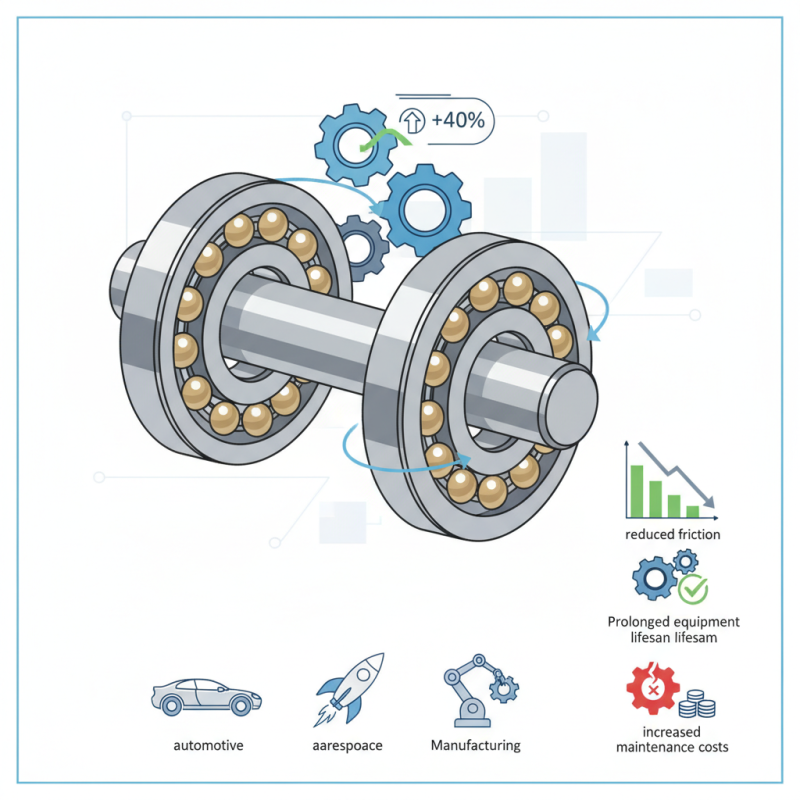
A Ball Bearing Shaft is a critical component in many industrial applications. It facilitates smooth rotational motion and reduces friction. According to a report from the American Society of Mechanical Engineers, ball bearings can enhance efficiency by up to 40% in machinery applications. This efficiency plays a vital role in industries such as automotive, aerospace, and manufacturing.

The design of a Ball Bearing Shaft involves precise engineering. Its effectiveness depends on bearing materials, spacing, and load handling. A well-designed shaft minimizes wear and prolongs equipment lifespan. However, choosing the wrong specifications can lead to premature failures. Over time, many industries have underestimated the importance of proper ball bearing selection, resulting in increased maintenance costs.

Investing in high-quality Ball Bearing Shafts is essential for performance. Poor choices can lead to significant downtimes and financial loss. Industry professionals emphasize the need for thorough research and testing. A reliable shaft will ultimately ensure better machinery performance and safety.
What is a Ball Bearing Shaft and How Does it Work?

What is a Ball Bearing Shaft?

A ball bearing shaft is an essential component in various mechanical systems. It is designed to support rotational or linear movement. This shaft features ball bearings positioned between the shaft and housing. The ball bearings reduce friction and wear. They allow the shaft to spin smoothly.

When in use, the ball bearing shaft experiences forces from different directions. These forces can affect performance and durability. It’s crucial to select the right size and type of bearings based on the application. Using the wrong specifications can lead to premature failure or reduced efficiency. Regular maintenance of the shaft is vital to ensure optimal function.

Understanding the mechanics of a ball bearing shaft helps in various applications. From electric motors to heavy machinery, its role is significant. The quality of materials used also impacts lifespan. Choosing lower-quality components can result in frequent breakdowns. Making informed choices ensures reliability and longevity in systems that depend on ball bearing shafts.

Basic Components of a Ball Bearing Shaft

A ball bearing shaft is a crucial component in many mechanical systems. It allows for smooth rotation and reduces friction between moving parts. Understanding its basic components can enhance your appreciation of its function and design.

At its core, a ball bearing shaft consists of several essential parts. The shaft itself provides the primary axis of rotation. It is typically made from durable materials like steel to withstand stress and wear. The ball bearings sit within races, which guide their movement. These balls can be made from different materials, including ceramic or stainless steel, depending on the application. Lubrication is also vital. It reduces heat and minimizes wear, ensuring longevity.

While it's easy to assume that all ball bearing shafts operate the same way, several factors can influence their performance. The precision of the fit between the balls and their races matters greatly. Improper alignment can lead to premature failure. It’s important to regularly check the condition of these components to maintain efficiency. Small adjustments can make a significant difference in operation.

How Ball Bearing Shafts Function Mechanically

Ball bearing shafts play a crucial role in many mechanical systems. These components consist of a shaft supported by ball bearings, allowing for smooth rotation. The primary function is to reduce friction between moving parts, which enhances the efficiency of the machinery. When paired correctly, ball bearings can support heavy loads, making them vital in applications like motors and gearboxes.

Mechanical function relies on precise engineering. The ball bearings rotate within a raceway, creating a gap that minimizes contact. This design helps in distributing loads evenly. Recent industry studies highlight that effective lubrication can improve performance by up to 50%. Yet, improper installation or wear can lead to failures. Monitoring and maintenance are crucial to ensure longevity.

**Tip:** Regularly check for dirt and debris. Clean the bearings to maintain optimal performance.

In more complex systems, the balance of alignment and load distribution must be considered. Misalignments can lead to uneven wear, resulting in decreased efficiency. While ball bearings enhance performance, they must be used thoughtfully. An understanding of load capacities and optimal speeds is essential for success.

**Tip:** Use appropriate tools for installation. This will prevent unexpected failures.

Applications of Ball Bearing Shafts in Industry

Ball bearing shafts are integral components in various industrial applications. These shafts help reduce friction and support loads in machinery, promoting smoother operation. According to a recent industry report by MarketsandMarkets, ball bearings could reach a market size of $70 billion by 2025, highlighting their significance across various sectors, including automotive, aerospace, and manufacturing.

In manufacturing, ball bearing shafts contribute to efficient assembly lines and advanced robotics. They ensure precision movements in automated equipment, enhancing production rates. Meanwhile, in the automotive sector, they provide durability in engines and transmissions. The reliability of ball bearing shafts is critical; even minor failures can lead to significant downtime and repair costs, ultimately affecting overall productivity.

Tips: Regular maintenance of ball bearing shafts can prevent costly replacements. Inspect for wear and tear periodically, especially in high-load environments. Proper lubrication is essential to prolong the life of these components. However, over-lubricating can lead to issues as well, creating excess heat. Always balance maintenance practices to optimize performance without excessive resource use.

What is a Ball Bearing Shaft and How Does it Work? - Applications of Ball Bearing Shafts in Industry

Dimension Value Application
Shaft Diameter 25 mm Electric Motors
Length 100 mm Robotics
Max Load Capacity 500 kg Automotive Applications
Material Steel Manufacturing Equipment
Speed Rating 3000 RPM Home Appliances
Operating Temperature -20 to 120 °C Aerospace Components

Advantages of Using Ball Bearing Shafts Over Other Types

Ball bearing shafts have emerged as a critical component in modern machinery. Their design allows for smooth operation and reduced friction. Compared to other shaft types, ball bearing shafts excel in performance and longevity. According to a report by Global Industry Analysts, the ball bearing market is expected to reach $20 billion by 2025, highlighting their importance in various applications.

One major advantage of ball bearing shafts is their ability to handle high loads while maintaining high speeds. This makes them ideal for industries like automotive and aerospace. Research indicates that ball bearing shafts can reduce friction by up to 50% compared to traditional bearings. This reduction in friction contributes to improved energy efficiency in machines.

Moreover, ball bearing shafts require less maintenance over time. Industries using them report lower downtime and increased productivity. However, they often come at a higher upfront cost. Some businesses may hesitate to invest initially, but the long-term gains can justify the expense. Settling for cheaper alternatives could lead to frequent breakdowns and increased costs down the line. While the benefits are clear, careful consideration is needed when choosing the best type of shaft for specific applications.

FAQS

: What is a ball bearing shaft?

: A ball bearing shaft supports rotational or linear movement. It features ball bearings to reduce friction.

Why are ball bearings important in a shaft?

Ball bearings enable smooth spinning and lower wear on the shaft. They help maintain efficiency under load.

What can affect the performance of a ball bearing shaft?

Forces from different directions can impact its performance. The right size and type of bearings are essential.

How often should a ball bearing shaft be maintained?

Regular maintenance is crucial for optimal function. Neglecting maintenance can lead to premature failures.

What advantages do ball bearing shafts have?

They offer reduced friction and improved longevity compared to other types. They also handle high loads efficiently.

Are ball bearing shafts cost-effective?

They may have a higher upfront cost but save money on maintenance and downtime in the long run.

Can low-quality components affect performance?

Yes, lower-quality materials can lead to frequent breakdowns. Informed choices are vital for reliability.

What are typical applications for ball bearing shafts?

These shafts are used in electric motors, heavy machinery, and more. Their versatility is a significant advantage.

How much friction can ball bearing shafts reduce?

Research shows they can reduce friction by up to 50%. This contributes to better energy efficiency.

Do companies ever hesitate to use ball bearing shafts?

Some businesses may hesitate due to higher initial costs. However, long-term benefits often outweigh initial expenses.

Conclusion

A Ball Bearing Shaft is a critical mechanical component designed to support rotating elements while reducing friction. Comprising essential parts such as the shaft itself, ball bearings, and housing, its basic structure enables efficient rotational movement. The mechanics of a Ball Bearing Shaft allow for smooth operation by distributing load and minimizing wear through the rolling action of the bearings.

Ball Bearing Shafts find extensive applications across various industries, including manufacturing, automotive, and aerospace, due to their ability to enhance performance and reliability. The advantages of using Ball Bearing Shafts over traditional shaft designs include improved efficiency, longer lifespan, and reduced maintenance requirements, making them a preferred choice for many engineering applications.

Mason

Mason

Mason is a seasoned marketing professional with a deep expertise in the company's offerings and a passion for driving brand awareness. With a strong background in digital marketing strategies, he has an innate ability to connect with diverse audiences and effectively communicate product benefits.......